Pollution Plagues Sirsiya River Despite Chhath Festivities
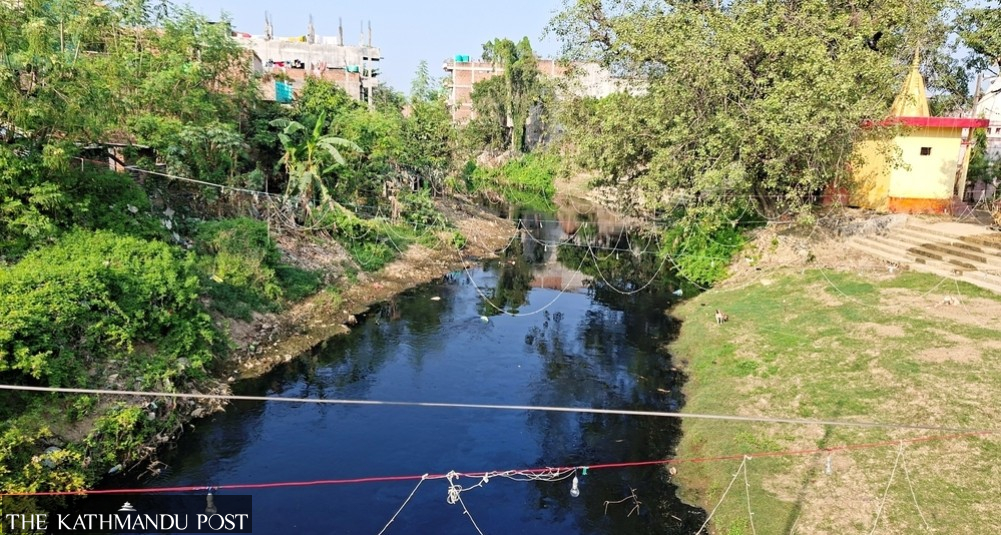
The Ongoing Crisis of Pollution in the Sirsiya River
Birgunj, Oct. 25 – Despite the sacred significance of the Chhath festival, pollution levels in the Sirsiya river continue to rise, causing frustration among local residents. This issue has sparked outrage, especially as devotees perform rituals along the riverbanks during this important religious event.
The main concern is the discharge of untreated waste from industries located along the Parsa-Bara Industrial Corridor. These factories are accused of ignoring the sentiments of those who come to the river for spiritual practices. According to Brijeshwar Prasad Chaudhary, secretary of the Sirsiya river and Birgunj pollution-free campaign, these industries have been disregarding repeated calls to stop dumping industrial residue into the river during the festival.
"In previous years, industries would halt waste discharge at least a week before Chhath, but this year they have continued without concern," he said.
Social activist Prakash Tharu highlighted the scale of the problem, noting that around a dozen and a half Chhath ghats are constructed along the river in Parsa and Bara. Hundreds of devotees gather there to offer prayers to the setting and rising sun while standing in the river water. "Allowing such pollution during this sacred festival is an unforgivable act," he added.
The Sirsiya river, which originates from the Ramban area of Simara in Bara district, becomes polluted just three kilometers downstream. By the time it reaches Birgunj, the water turns pitch black, making it unsuitable even for irrigation or domestic use.
Ranjan Kumar Singh, chairperson of the Ranighat Chhath Puja management committee, explained how the pollution has severely affected religious activities. "During the Chaite Chhath earlier this year, we had to build two artificial ponds to allow devotees to perform rituals," he said. "Unless authorities take strict action against polluting industries, this problem will persist."
A government monitoring committee formed around 15 years ago identified 48 pollution sources in the river. Out of these, 46 were factories within the Parsa-Bara industrial corridor, one was the Birgunj Metropolitan Office, and another was an illegal liquor distillery.
The Sirsiya river holds cultural importance not only in Nepal but also across the border in India, where many devotees celebrate Chhath along its banks. As a result, pollution in the river has impacted residents of Raxaul and nearby areas in Bihar as well.
Key Issues and Concerns
- Industrial Discharge: Factories along the Parsa-Bara Industrial Corridor continue to release untreated waste into the Sirsiya river, despite repeated warnings.
- Religious Impact: The Chhath festival, a significant religious event, is being marred by pollution, affecting the rituals and experiences of devotees.
- Water Quality: The river's water quality has deteriorated significantly, turning pitch black and becoming unusable for any practical purpose.
- Cultural Significance: The Sirsiya river is not only important in Nepal but also in India, where it is celebrated by many during the Chhath festival.
- Government Response: A monitoring committee was established 15 years ago, yet the pollution problem persists, indicating a lack of effective enforcement.
Calls for Action
Local activists and community leaders are urging authorities to take stricter measures against the polluting industries. They emphasize that without immediate and decisive action, the problem will continue to worsen, affecting both the environment and the cultural heritage of the region.
The situation highlights the urgent need for better regulation, increased awareness, and more effective enforcement of environmental laws. It is crucial for all stakeholders, including local communities, government agencies, and industries, to work together to protect the Sirsiya river and preserve its cultural and ecological value.
As the Chhath festival continues, the call for cleaner waters and a healthier environment grows louder. The hope is that this year's events will serve as a catalyst for change, leading to a sustainable solution for the ongoing pollution crisis.


Comments
Post a Comment