FAO Warns of Desert Locust Threat to Southern Morocco's Agriculture
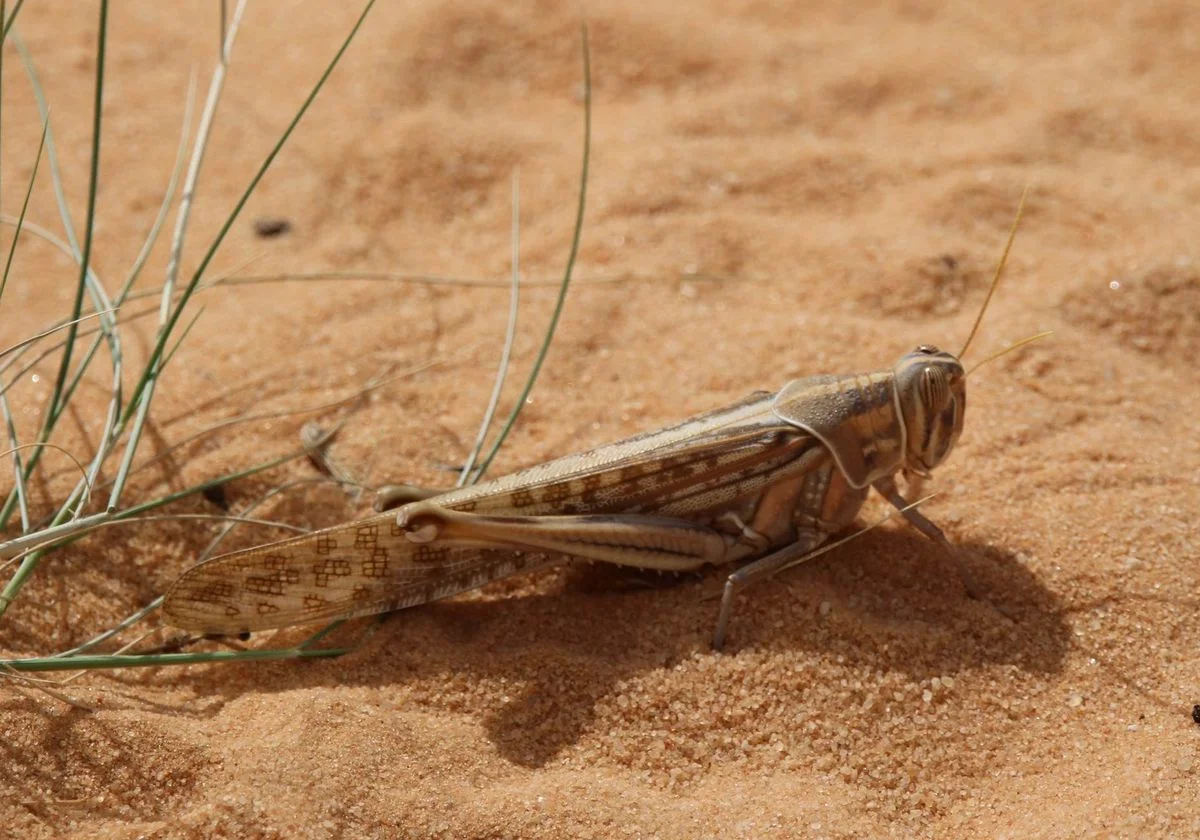
Ongoing Desert Locust Outbreak in Mauritania and Southern Morocco
The desert locust outbreak continues to affect Mauritania and the southern provinces of Morocco, with hopper groups, bands, and small swarms persisting throughout November. According to the latest report from the Food and Agriculture Organization (FAO), these locusts have been moving northward, posing a significant threat to agricultural areas in the region.
By November 24, Morocco had already treated more than 4,184 hectares to combat the infestation. The report highlights that isolated and scattered immature and mature adults were observed near Tiznit and Guelmim, indicating that the problem is not confined to one area. This widespread presence of locusts underscores the need for continued monitoring and intervention.
Potential for New Breeding Cycles
FAO warns that as winter rains intensify, conditions across southern Morocco could lead to the formation of a new generation of locusts. If left unchecked, this could result in the development of swarms in the spring, which would pose a serious threat to agriculture in northwestern Africa. The organization emphasizes that the risk is not limited to the current season but could extend into the next, affecting food security and livelihoods in the region.
The report also notes that several areas in the Sahara remain unsurveyed, and there is a possibility that small immature groups of locusts may still be present in these regions. This lack of comprehensive data makes it difficult to fully assess the extent of the threat and plan effective control measures.
Observations and Movements
According to the FAO update, hopper groups and bands were observed from Bir Gandouz up to Laayoune, with some reaching the 4th and 5th instars during the second dekad. This indicates that the locusts are progressing through their life cycle and may soon reach maturity, increasing the risk of further spread.
The FAO forecasts that migration from Mauritania into southern Morocco will continue in December. If additional rainfall occurs, it could trigger maturation and egg-laying, extending the risk zone into the Souss, Massa, and Draa valleys. These areas are crucial for agriculture, and any increase in locust activity could have severe economic and environmental consequences.
Continued Monitoring and Response
Given the ongoing nature of the outbreak, continuous monitoring and timely response are essential. The FAO recommends that local authorities and agricultural stakeholders remain vigilant and implement control measures as needed. This includes regular surveys, targeted pesticide applications, and community engagement to ensure early detection and rapid response.
In addition, collaboration between countries in the region is critical to address the transboundary nature of the locust threat. Shared information and coordinated efforts can help mitigate the impact of the outbreak and protect agricultural production.
Conclusion
The desert locust situation in Mauritania and southern Morocco remains a pressing concern. With the potential for new breeding cycles and the spread of swarms, the need for sustained action is clear. By maintaining awareness, implementing effective control strategies, and fostering regional cooperation, the impact of the locusts can be minimized, protecting both crops and communities in the affected areas.


Comments
Post a Comment