Mahama Unveils Key Initiative to Boost Local Vegetable Production and Reduce Imports
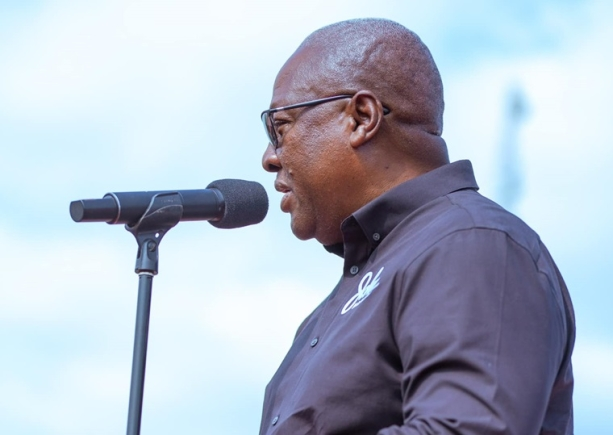
Launch of the Vegetable Development Project in Kukuom
President John Dramani Mahama has initiated a new vegetable development project, marking a significant step towards addressing food insecurity. This initiative aims to empower farmers by enabling them to grow more food and secure a stable income. The project was launched in Kukuom as a central component of his government's broader "Feed Ghana Initiative." President Mahama emphasized that the primary goal is to ensure Ghanaians have consistent access to affordable, locally grown vegetables throughout the year.
The project includes a comprehensive support package for farmers, which encompasses high-quality seeds, organic fertilizer, training, and digital advice. These resources are designed to enhance productivity and sustainability in farming practices.
To address the challenge of farmers struggling to sell their crops, the President announced a partnership with FarmMeets, a committed buyer that will purchase all the produce. This collaboration is expected to provide farmers with a reliable market for their goods, ensuring they can earn a steady income from their efforts.
Infrastructure and Water Solutions
A key aspect of the project is the construction of a modern packhouse, which will be responsible for grading, sorting, and packaging vegetables. This facility will play a crucial role in maintaining the quality of the produce and facilitating its distribution.
President Mahama also highlighted the critical issue of water shortages affecting farmers, particularly in the northern regions of Ghana. He stated, "Without water, vegetable production cannot thrive. Without year-round production, we cannot achieve food security or reduce our imports." Irrigation, he emphasized, is the "backbone" of the entire plan.
To tackle this issue, the government plans to install solar-powered irrigation systems across six communities: Kukuom, Noberkaw, Dantano, Sankore, Asibrem, and Kwapong. These systems will not only provide a reliable water supply but also lower energy costs and reduce carbon emissions. The use of solar technology aligns with the government's commitment to sustainable agricultural practices.
Timeline and Broader Implications
The entire Kukuom project is scheduled to be completed within 12 months. Once operational, it will serve as a model for similar projects to be replicated across the country. President Mahama clarified that this vegetable project is integrated into the larger "Feed Ghana" agenda, which spans from 2025 to 2028. The initiative aims to restore the nation's food security and reduce reliance on imported goods.
In addition to vegetables, the wider plan targets increased production of other strategic commodities such as rice, maize, cassava, and poultry. By focusing on these key areas, the government seeks to strengthen the entire farming chain and create stable, dignified jobs. This effort is particularly aimed at supporting the youth, women, and persons with disabilities, who often face challenges in accessing employment opportunities.
Conclusion
The launch of the vegetable development project represents a significant milestone in Ghana's journey toward food security and economic growth. With a focus on innovation, sustainability, and inclusivity, the initiative has the potential to transform the agricultural sector and improve the lives of countless farmers and their families.


Comments
Post a Comment