New Fossil Reveals Lucy's Species Shared the World with a Close Relative
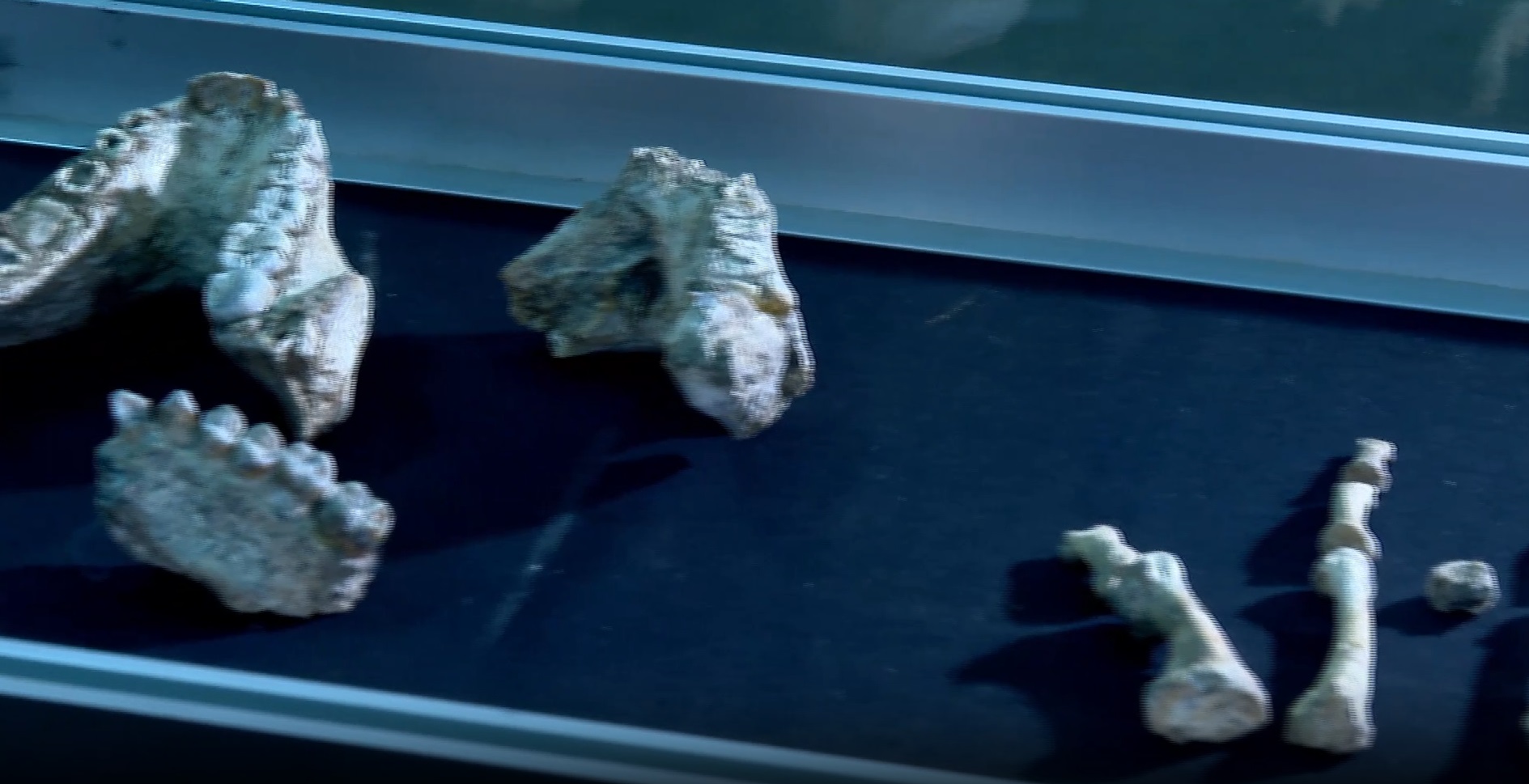
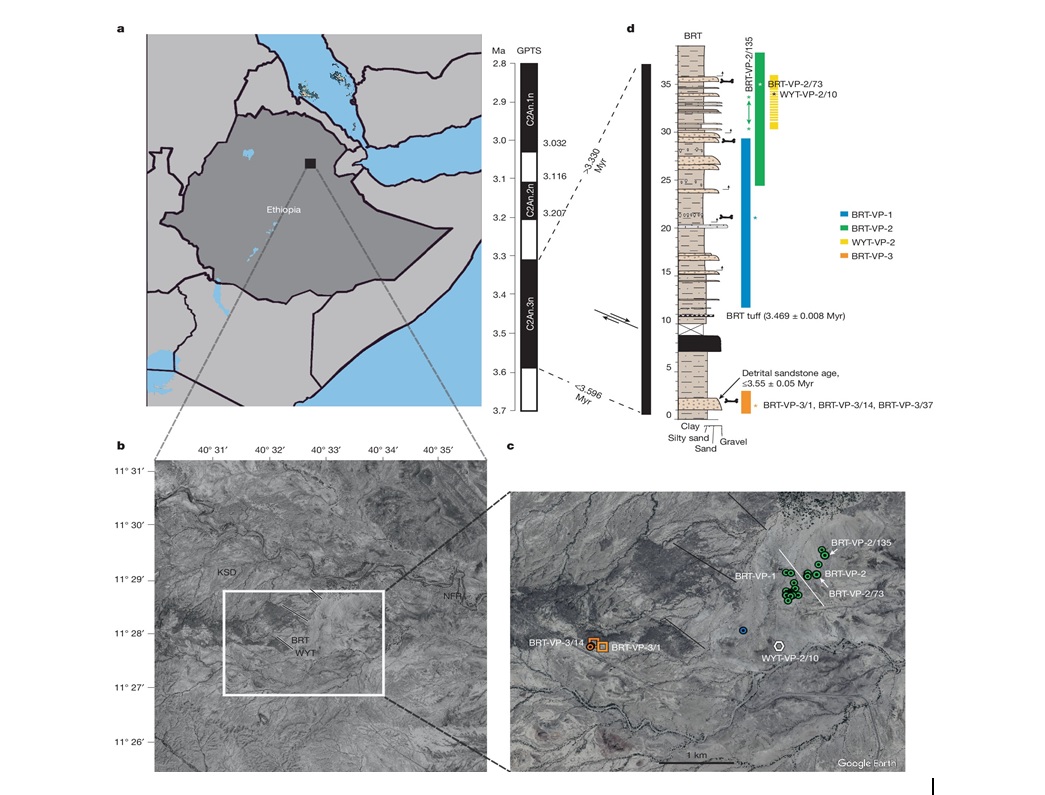
Addis Ababa, November 27, 2025 — A groundbreaking fossil discovery in the Woranso-Mille region of Ethiopia has provided new insights into the evolutionary history of early humans. According to a recent study led by Yohannes Haile-Selassie from Arizona State University, the species known as Australopithecus deyiremeda co-existed with another relative, specifically the well-known Lucy’s species, Australopithecus afarensis.
The Australopithecus deyiremeda, an early human ancestor that lived approximately 3.4 million years ago, was first identified in 2009. The initial discovery involved a mysterious fossilized foot found in Burtele, within the Afar Region. This find sparked significant scientific interest and debate over its origins and significance.
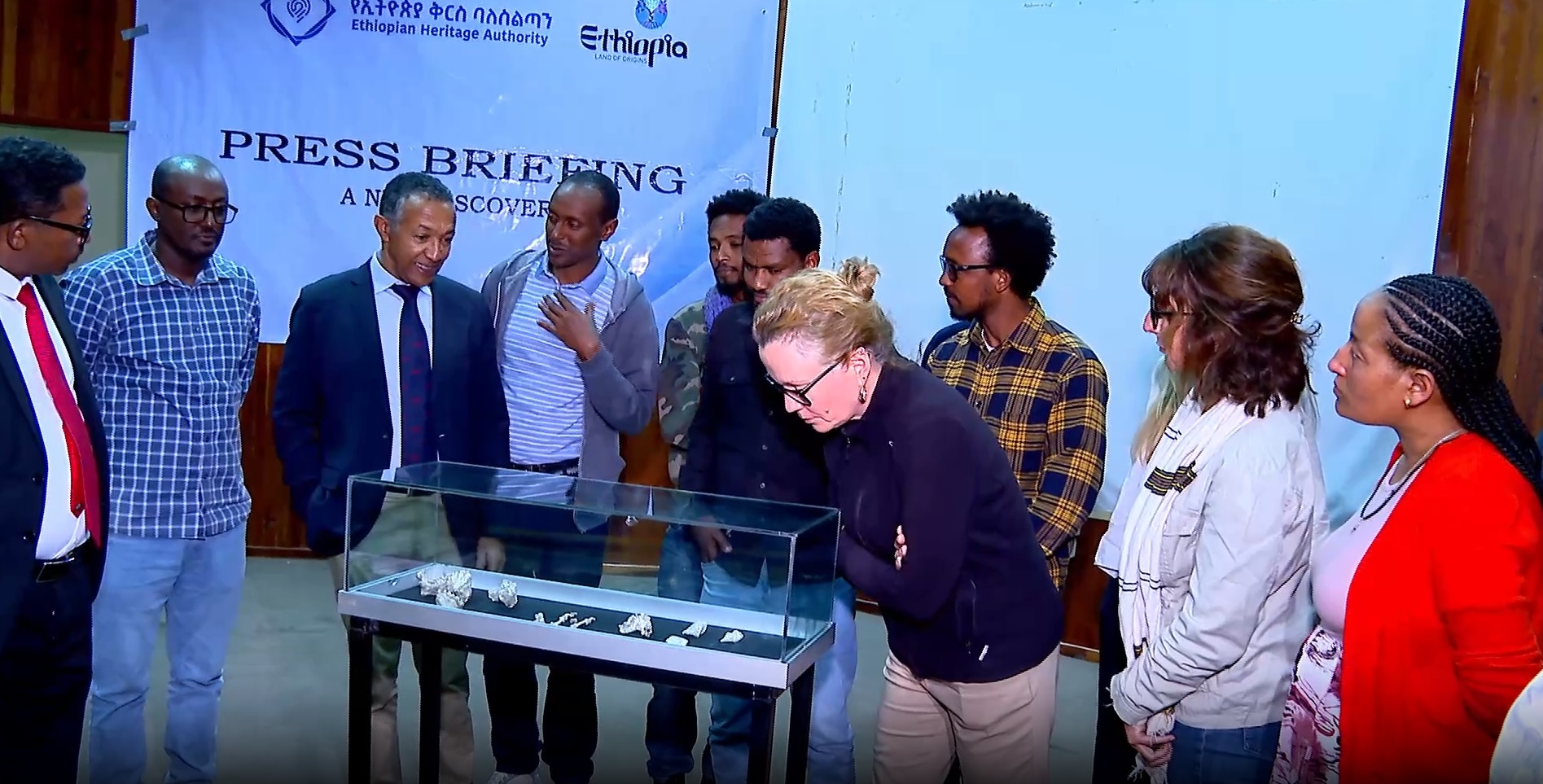
During a recent briefing, Yohannes Haile-Selassie, a paleoanthropologist at Arizona State University, explained how the discovery of a juvenile jawbone, which matched the same age and geological layer as the foot, allowed scientists to confidently assign the foot to the Australopithecus deyiremeda species. This finding not only highlights the coexistence of different hominin species but also suggests that Lucy's species, Australopithecus afarensis, is more closely related to modern humans than Australopithecus deyiremeda, which exhibits more primitive traits.
The new evidence indicates that Australopithecus deyiremeda possessed a unique combination of physical features, including the ability to climb and walk on two legs. This dual capability offers valuable clues about the diverse adaptations of early hominins during this critical period in human evolution.
Professor Haile-Selassie emphasized that the updated understanding of Australopithecus deyiremeda contributes significantly to our knowledge of early human diversity. It shows that multiple species, such as Australopithecus afarensis and Australopithecus deyiremeda, could have lived simultaneously in the same region. This challenges previous assumptions about the dominance of any single species during this era.
Abebaw Ayalew, Director-General of the Ethiopian Heritage Authority, highlighted the importance of this discovery in reinforcing Ethiopia's status as the cradle of humankind. He noted that the findings add to a long list of significant discoveries in the country, ranging from remains dating back 6.4 million years to the Homo sapiens Idaltu, the closest known ancestor of modern humans.
Ethiopia has been home to 14 out of the 23 most ancient human origin relics found globally, underscoring its critical role in the study of human evolution. This rich heritage continues to attract researchers from around the world, contributing to a growing body of scientific knowledge.
In addition to celebrating this discovery, the Ethiopian government has announced plans to build a major museum dedicated to the history of human origins. This initiative aims to preserve and showcase the country’s vast collection of artifacts related to early human development.
Abebaw Ayalew also stressed the importance of nurturing a new generation of scientists who can continue the legacy of pioneering researchers like Professor Haile-Selassie. He commended the research team for their efforts in bringing this discovery to global attention and emphasized the need for continued investment in scientific research to achieve even greater breakthroughs in the future.

Provided by SyndiGate Media Inc.
Syndigate.info



Comments
Post a Comment