Russian Launch Site Damaged Post Soyuz Mission to ISS
Soyuz MS-28 Mission Successfully Reaches ISS Despite Launch Pad Damage
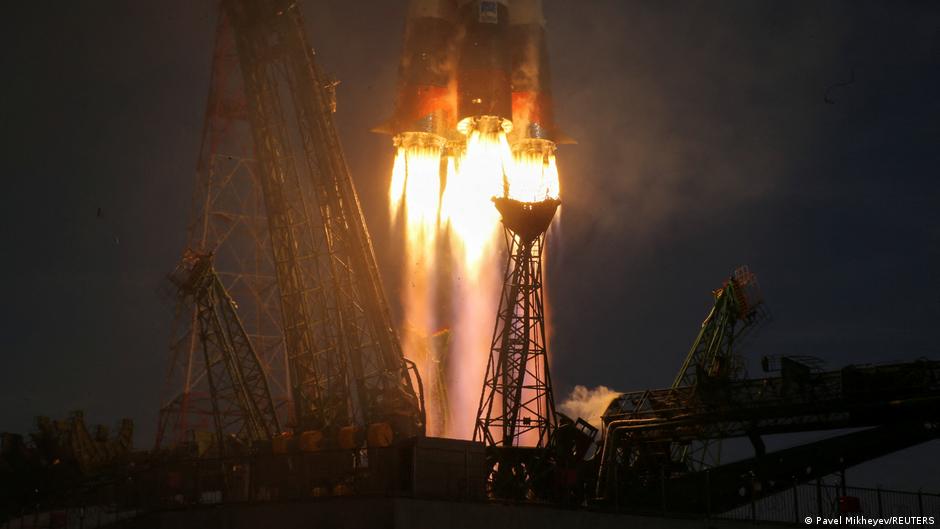
The Soyuz MS-28 mission, which saw a Russian Soyuz spacecraft carrying two cosmonauts and a NASA astronaut successfully dock with the International Space Station (ISS), faced an unexpected challenge during its launch. The launch pad at the Baikonur Cosmodrome in Kazakhstan was damaged after the mission lifted off, raising concerns about future operations at the site.
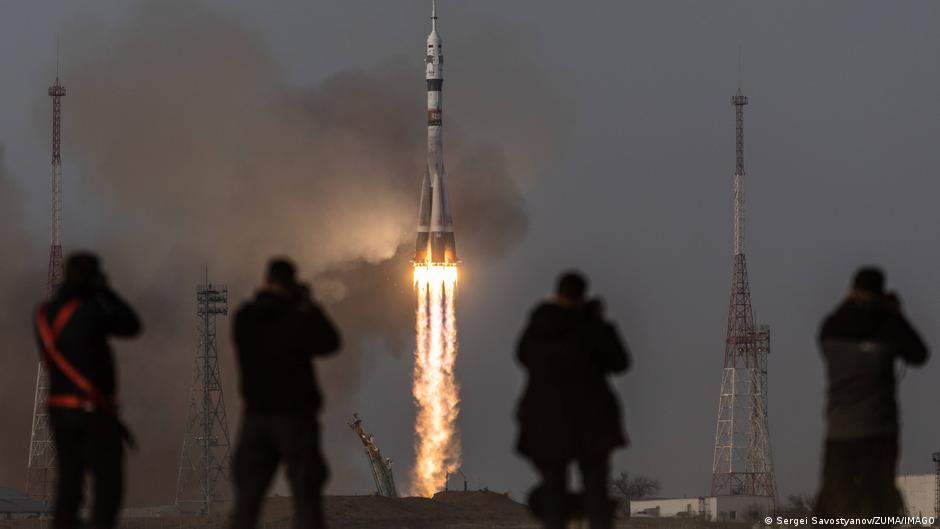
Russia's space agency, Roscosmos, confirmed that "damage to a number of elements of the launch pad was detected" following the launch. The agency stated that repairs would be carried out as quickly as possible. However, some Russian space bloggers have expressed concerns that the damage could lead to delays in future launches, especially since Baikonur is Russia’s only manned-mission site.
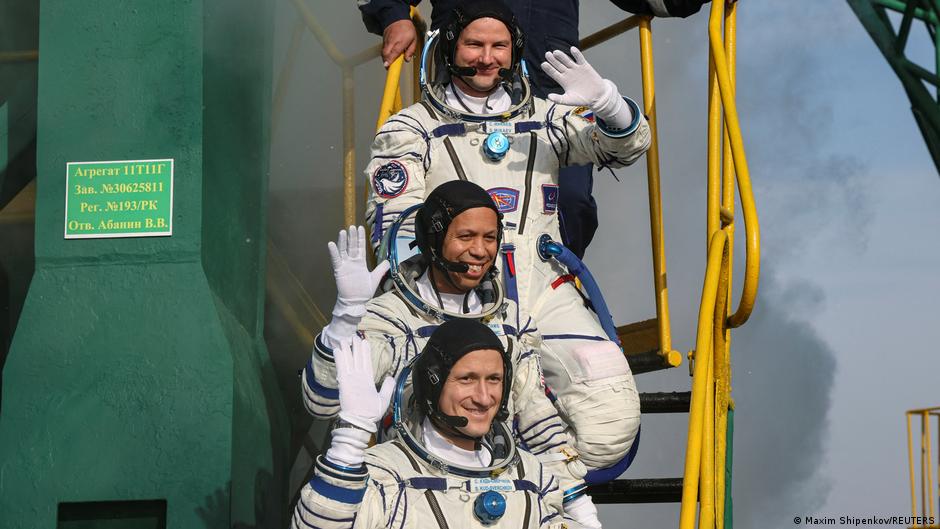
Despite these challenges, the Soyuz spacecraft reached the ISS safely on Thursday. The crew includes Russian cosmonauts Sergey Kud-Sverchkov and Sergey Mikaev, along with NASA astronaut Chris Williams. They are expected to spend eight months aboard the orbiting laboratory.
The mission marks the arrival of new crew members who will join existing astronauts already stationed on the ISS. These include NASA astronauts Mike Fincke, Zena Cardman, and Jonny Kim; Japan Aerospace Exploration Agency astronaut Kimiya Yui; and Russian cosmonauts Sergei Ryzhikov, Alexei Zubritsky, and Oleg Platonov.
The successful docking highlights the continued collaboration between space agencies around the world, particularly between the United States and Russia. Although diplomatic relations between the two nations have been strained due to the ongoing conflict in Ukraine, space exploration remains one of the few areas where they maintain cooperation.
The mission underscores the importance of international partnerships in space exploration. Despite geopolitical tensions, the ISS continues to serve as a symbol of unity and scientific progress. The presence of astronauts from different countries aboard the station demonstrates the shared goals of humanity in exploring the final frontier.
The Soyuz MS-28 mission also brings attention to the challenges faced by space agencies in maintaining operational readiness. The damage at the Baikonur Cosmodrome serves as a reminder of the complex nature of space missions and the need for constant maintenance and adaptation.
As the new crew settles into their roles on the ISS, they will contribute to a wide range of scientific experiments and research projects. These efforts are crucial for advancing our understanding of space and preparing for future deep-space missions.
In addition to scientific work, the crew will also engage in routine maintenance tasks and conduct spacewalks to ensure the continued operation of the ISS. Their presence will help sustain the station’s functions and support ongoing research.
The success of the Soyuz MS-28 mission is a testament to the resilience and dedication of the teams involved. It also highlights the importance of international collaboration in achieving common goals, even in the face of global challenges.
As the mission progresses, further updates on the crew’s activities and the status of the ISS will continue to provide valuable insights into the future of space exploration.


Comments
Post a Comment