Samsung Display Wins OLED Patent Ruling, Secures Royalties
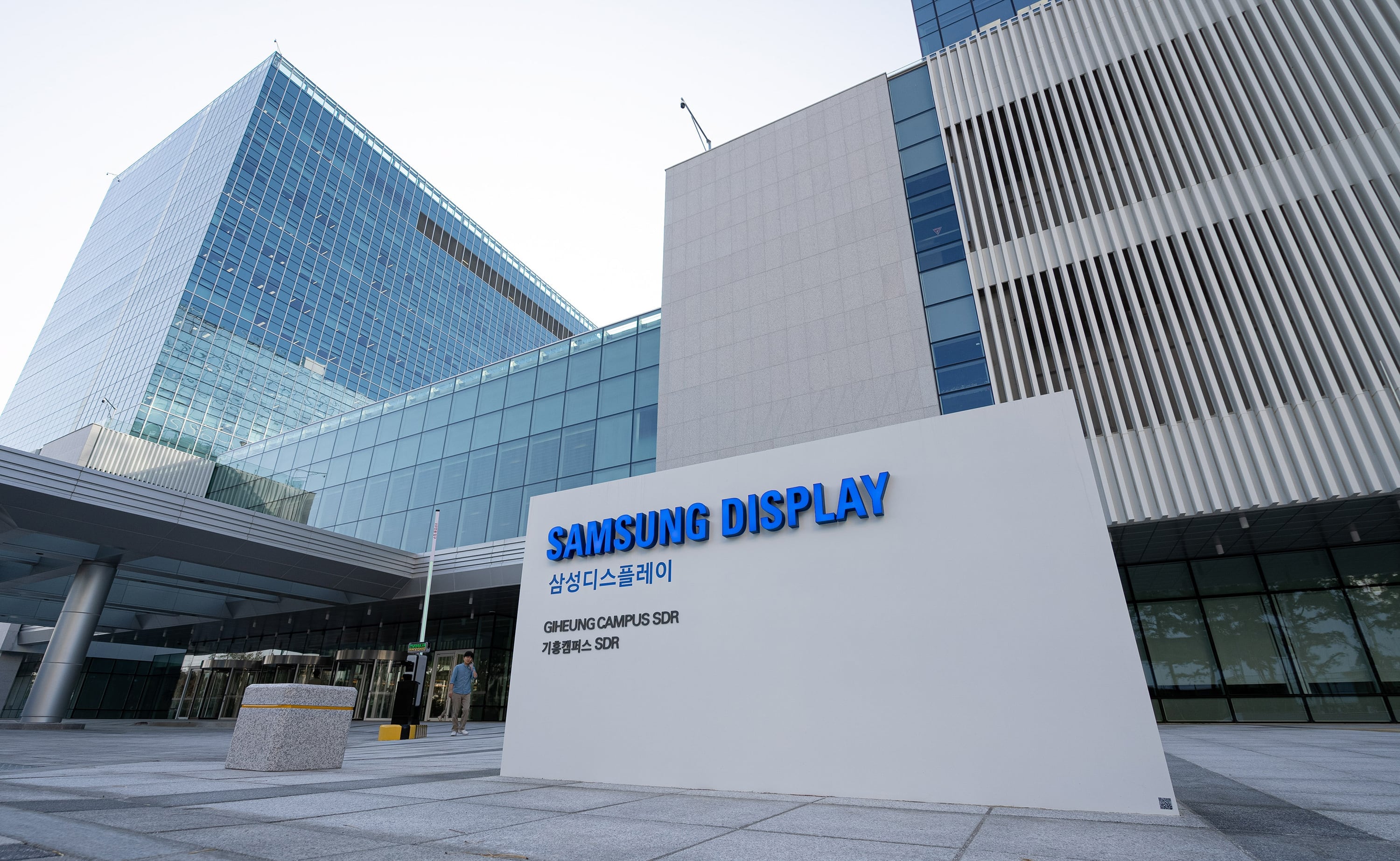
Samsung Display and BOE Settle Patent Dispute Over OLED Technology
Samsung Display has successfully resolved a long-standing patent dispute with Chinese display manufacturer BOE, marking a significant victory in the battle over organic light-emitting diode (OLED) technology. After a three-year legal conflict involving allegations of patent and trade secret infringement, BOE reportedly agreed to pay patent royalties to Samsung Display as part of a settlement.
According to industry reports, Samsung Display and BOE recently reached an agreement that led to the withdrawal of lawsuits filed in the U.S., China, and other jurisdictions. The U.S. International Trade Commission (ITC) announced on the 18th (local time) that the litigation between the two companies had been suspended. Originally, the ITC was set to issue a final ruling on the trade secret infringement case on the 17th, but instead, the suspension of proceedings was announced, which is seen as a result of mutual agreement.
In July, the ITC issued a preliminary ruling that banned BOE and its subsidiaries from importing products to the U.S. for 14 years and 8 months, citing improper use of Samsung Display’s trade secrets. Analysts believe that Samsung Display gained the upper hand in this case, as preliminary rulings often lead to final conclusions. It is speculated that BOE, fearing a potential block on U.S. exports, actively pursued a settlement with Samsung before the final ruling could be issued.
Although the specific terms of the agreement have not been disclosed, it is reported that BOE will pay royalties to Samsung Display. This financial arrangement is expected to provide Samsung Display with additional revenue and reinforce its position in the global OLED market.
Background of the Legal Battle
Since 1997, Samsung Display has invested hundreds of millions of dollars in research and development (R&D) of OLED technology, developing key related technologies. BOE entered the market in 2013, beginning its investments in OLED technology and starting mass production four years later. However, BOE faced scrutiny for lacking concrete evidence of independent R&D. There were suspicions that BOE had poached former and current Samsung Display employees and collaborated with partners to steal trade secrets.
Samsung Display took legal action by filing a patent infringement lawsuit against BOE and U.S. component distributors with the ITC in December 2022. In October of the following year, Samsung Display also sued BOE for trade secret infringement. These legal actions highlighted the growing tensions between the two companies as they competed in the OLED market.
Implications of the Settlement
The settlement between Samsung Display and BOE is a major development in the ongoing competition within the display industry. By reaching an agreement, both companies can avoid further legal costs and potential disruptions to their operations. For Samsung Display, the settlement reinforces its dominance in OLED technology and ensures continued revenue through royalty payments.
For BOE, the settlement may serve as a cautionary tale about the risks of intellectual property disputes. The company will now need to focus on strengthening its own R&D capabilities to avoid future conflicts. Additionally, the settlement may influence how other companies approach similar legal battles in the future.
Overall, the resolution of this dispute marks a turning point in the OLED market, where innovation and legal compliance are becoming increasingly important for companies seeking to maintain a competitive edge.


Comments
Post a Comment