Beech Nut Study Warns of Rising Bear Activity in 2027
Understanding the Bear Population Cycle in Akita, Japan
In the northeastern region of Japan, particularly in Akita Prefecture, there is growing concern about a potential increase in bear activity near human settlements. This concern stems from a pattern observed in the production cycle of beech nuts, which serve as a primary food source for bears. According to research conducted by the Akita Prefecture Forestry Research and Training Center, the anticipated good yield of beech nuts in 2026 may lead to a poor harvest in 2027, potentially resulting in more frequent bear encounters with humans.
The Link Between Beech Nut Production and Bear Behavior
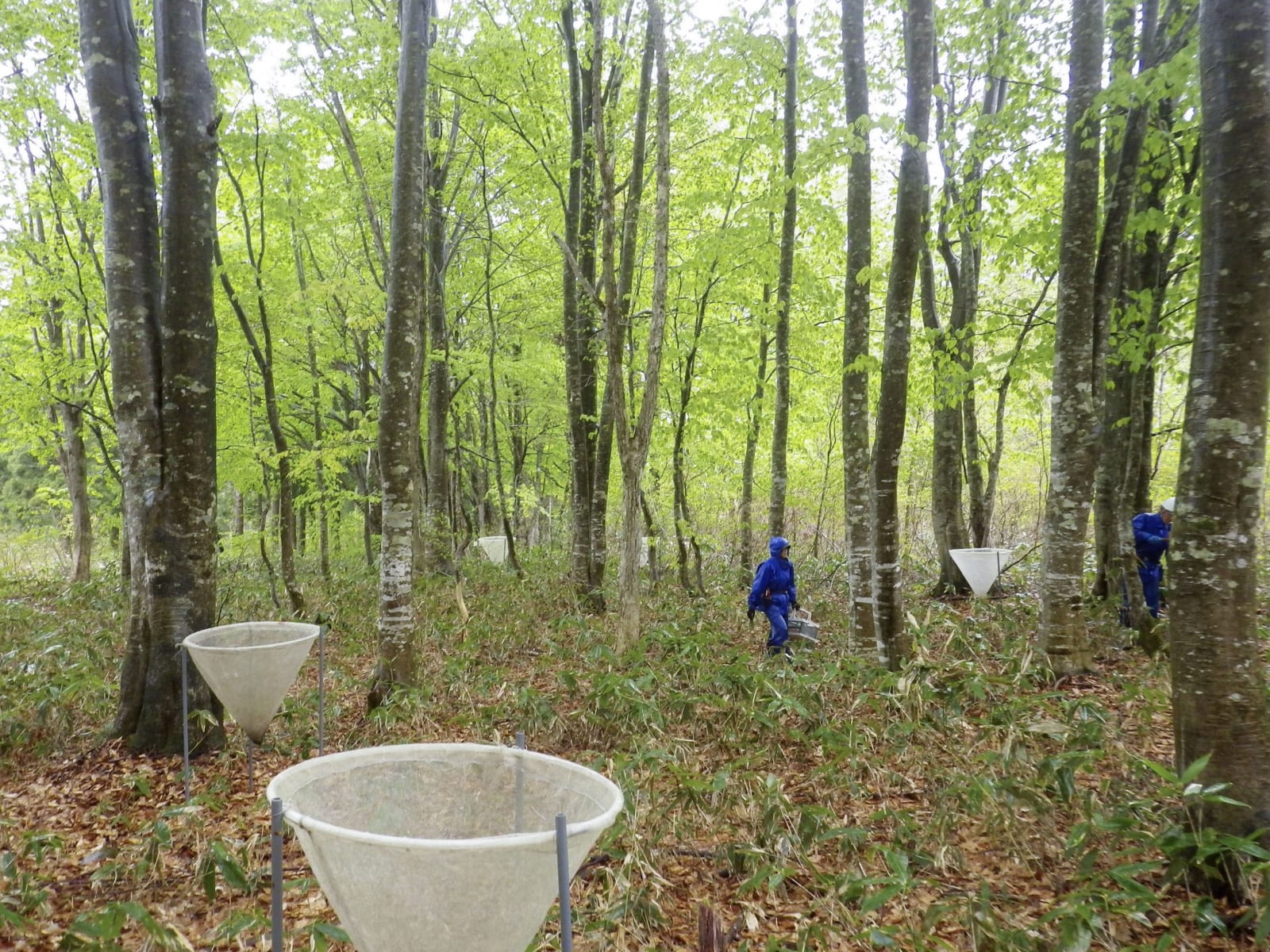
The center has been monitoring the budding status of beechnuts at five different locations within Akita Prefecture since 2002. Their findings indicate that when there is an abundance of beech nuts, bears tend to reproduce more successfully, leading to an increase in their population. However, during years when the yield is low, bears are more likely to venture into populated areas in search of alternative food sources.
This alternating pattern of good and bad harvests has been evident since 2021. Following a period of poor yields, there was a noticeable rise in bear sightings near human dwellings. The center's analysis suggests that this cycle is not only a natural occurrence but also influenced by environmental factors such as global warming and intense summer heat.
Historical Trends in Beech Nut Harvests
Historically, strong beech nut harvests have occurred once every five to seven years. However, after a period of several years without significant yields since 2005, there were notable good harvests in 2013, 2015, and 2018. These years were followed by periods of poor harvests, reinforcing the cyclical nature of the phenomenon.
Recent data from the center shows that 2022 and 2024 experienced exceptionally high levels of beech nut ripening compared to previous years. This trend has raised concerns among local authorities and researchers, who are closely monitoring the situation.
Expert Insights on Changing Patterns
Center official Satoru Wada emphasized that in recent years, a good harvest year has consistently been followed by a bad harvest year. While the exact reasons for this shift in the beech nut production cycle remain unclear, Wada suggested that it could be linked to climate change and the increasing frequency of extreme weather events.
Wada also warned about the behavior of bears emerging from hibernation in the spring following a poor harvest. He explained that these bears would typically rely on fallen beech nuts for sustenance, but if the supply is insufficient, they may be forced to seek food in human-populated areas.
Preparing for Potential Human-Bear Encounters
As the spring of 2026 approaches, the center is urging residents to remain vigilant. Wada noted that in early spring, plants in the mountains have not yet sprouted, and without an adequate supply of beech nuts, bears may face food shortages. This could lead to increased interactions between bears and humans, posing a risk to both parties.
The research center continues to monitor the situation closely, providing updates and recommendations to local communities. By understanding the relationship between beech nut production and bear behavior, authorities hope to mitigate the risks associated with rising bear activity in the region.
Conclusion
The cyclical nature of beech nut harvests plays a critical role in shaping bear behavior and population dynamics in Akita Prefecture. As environmental conditions continue to evolve, it is essential for local communities to stay informed and prepared for potential changes in bear activity. Through ongoing research and collaboration, officials aim to ensure the safety of both humans and wildlife in the region.


Comments
Post a Comment