Cheetah Sperm Bank Hopes to Save the World's Fastest Animal from Extinction
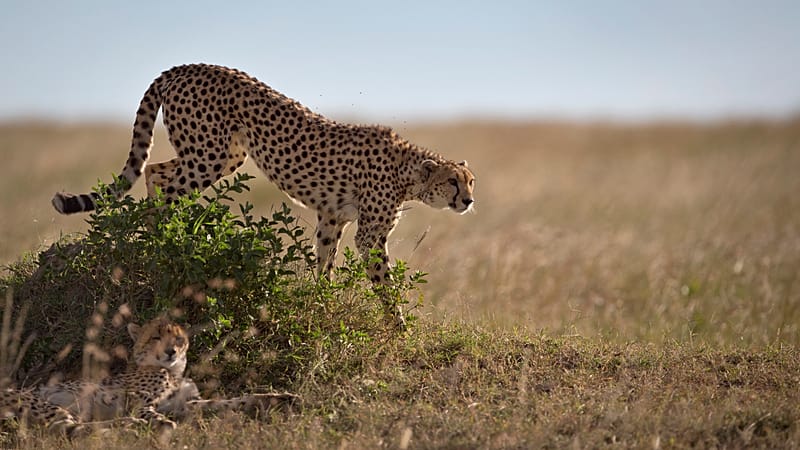
A Lifeline for Cheetahs: The Frozen Zoo of Namibia
For over three decades, American zoologist Laurie Marker has been working tirelessly to preserve the genetic legacy of one of the world’s most iconic big cats—cheetahs. Her efforts have led to the creation of a unique sperm bank in Namibia, which she refers to as a “frozen zoo.” This collection of cheetah sperm is not meant for immediate use but rather as a last resort in the event that the species faces extinction.
Marker, who founded the Cheetah Conservation Fund in the southern African nation, has been building this frozen repository since 1990. She emphasizes that the purpose of the sperm bank is to serve as a safeguard for cheetahs in a worst-case scenario. With wild cheetah populations having declined dramatically over the past 50 years, the need for such a resource has become increasingly urgent.
The Crisis Facing Cheetahs
Today, fewer than 7,000 cheetahs remain in the wild—numbers similar to those of the critically endangered black rhino. These big cats are scattered across only about 33 populations, with most groups containing fewer than 100 individuals. This fragmentation has led to a shrinking gene pool, which poses serious challenges for their survival.
Cheetahs face numerous threats, including habitat loss, human-wildlife conflict, and the illegal animal trade. Their ability to reproduce is further hindered by low genetic diversity, with up to 80% of their sperm being abnormal. Scientists believe that the species narrowly avoided extinction during the last ice age, when their numbers were drastically reduced, leading to the current genetic bottleneck.
Sperm Banks: A Common Conservation Tactic
The practice of storing sperm is not new in wildlife conservation. It has been used successfully for various species, including elephants, rhinos, antelopes, and other big cats. One of the most well-known examples is the effort to save the northern white rhino, which is now functionally extinct. Only two females remain, and scientists are relying on stored sperm to attempt artificial reproduction.
In this case, embryos have been implanted into southern white rhino surrogates, though no successful pregnancies have been achieved yet. Despite these challenges, researchers remain committed to saving the species.
Another success story involves the black-footed ferret, which was nearly wiped out in the United States. Artificial reproduction helped revive the population after it had dwindled to just one wild group.
How Cheetah Sperm Is Collected
Marker’s team does not actively hunt for cheetahs to collect sperm. Instead, they take samples opportunistically when animals are injured or captured. In Namibia, where cheetahs often come into conflict with farmers, her team is called upon to treat and release these animals. During these interactions, they collect sperm samples.
Sperm can also be obtained from deceased cheetahs, ensuring that every individual contributes to the genetic pool. So far, the Cheetah Conservation Fund has collected samples from approximately 400 cheetahs, which are stored at ultralow temperatures in liquid nitrogen.
The Role of Captive Populations
If cheetahs ever face another extinction threat, the first line of defense would be the roughly 1,800 cats living in zoos and other captive environments. However, Marker notes that cheetahs do not breed well in captivity, making the sperm bank an essential backup.
Without this resource, the chances of saving the species would be slim. “Without it, we’re not going to have much of a chance,” Marker said.
The Future of Cheetah Conservation
While Marker hopes the sperm bank will never be needed, she remains vigilant. The survival of cheetahs depends on a combination of habitat protection, reducing human-wildlife conflict, and advanced reproductive technologies. As climate change and other threats continue to impact ecosystems, the importance of such conservation efforts cannot be overstated.
For now, the frozen zoo stands as a symbol of hope—a reminder that even in the face of overwhelming odds, science and dedication can offer a path forward.


Comments
Post a Comment