NAGGW Aims for 50M Date Palms to Fight Desertification by 2030
The National Agency for the Great Green Wall Seeks Federal Support
The National Agency for the Great Green Wall (NAGGW) has recently sought support from the Secretary to the Government of the Federation (SGF), Senator George Akume, in its efforts to combat desertification and restore degraded land. This comes as part of a broader initiative to implement the 50-million-date-palm project across 11 frontline states in northern Nigeria.
During a courtesy visit to the SGF in Abuja, the Director General/CEO of NAGGW, Saleh Abubakar, highlighted the agency’s recent achievements and future goals. He mentioned that the initiative was launched during the agency's 10th-anniversary ceremony in August 2025. The project is designed to curb desert encroachment and restore degraded lands in the affected states.
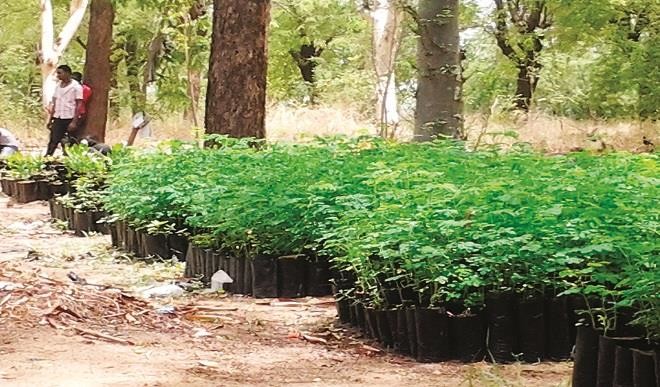
According to Abubakar, NAGGW has already distributed over five million date palms across the 11 frontline states. The goal is to scale this up to 50 million by 2030, marking a significant step in the fight against desertification.
A Mission Rooted in Sustainability
The National Agency for the Great Green Wall (NAGGW) was established in 2015 with a clear mission: to address land degradation and desertification, boost food security, and help communities adapt to climate change. It operates in several key states, including Sokoto, Kebbi, Katsina, Zamfara, Kano, Jigawa, Bauchi, Gombe, Yobe, Borno, and Adamawa.
Abubakar emphasized that NAGGW serves as Nigeria's focal point for the African Union's Great Green Wall of the Sahara and Sahel project. Its mission includes halting and reversing land degradation, protecting biodiversity, enhancing ecosystem resilience to climate change, and providing essential services to support human welfare and poverty eradication.
Strengthening Collaboration and Local Ownership
Since assuming office over a year ago, the agency has intensified its efforts and deepened collaboration with stakeholders in the 11 frontline states. This approach ensures local ownership of the projects and fosters sustainable development.
"We need enhanced support to secure additional funding for the 50 million date palm project and other initiatives aligned with the Renewed Hope Agenda," Abubakar stated. This call for support underscores the importance of continued investment in environmental and agricultural sustainability.
Federal Government's Commitment
In response to NAGGW's appeal, Senator Akume commended the agency's efforts and assured the agency of the Federal Government's continued support in delivering its mandate. His remarks reflect the government's commitment to addressing environmental challenges and promoting sustainable development in the region.
Key Objectives of NAGGW
- Combat Desertification: Implement strategies to prevent the expansion of deserts and protect arable land.
- Restore Degraded Land: Focus on rehabilitating areas affected by land degradation through reforestation and sustainable farming practices.
- Promote Food Security: Enhance agricultural productivity to ensure food availability for local communities.
- Climate Change Adaptation: Develop programs that help communities adapt to changing climatic conditions.
- Biodiversity Conservation: Protect and preserve local ecosystems and wildlife habitats.
The Role of Date Palms in Environmental Restoration
The 50-million-date-palm project is a cornerstone of NAGGW's strategy. Date palms are not only economically valuable but also play a crucial role in environmental restoration. They help stabilize soil, reduce wind erosion, and provide shade, which can improve microclimates in arid regions.
Future Prospects and Challenges
While the agency has made significant progress, challenges remain. These include securing sufficient funding, ensuring community participation, and overcoming logistical hurdles in remote areas. However, with continued support from the federal government and local stakeholders, NAGGW is well-positioned to achieve its ambitious goals.
As the project moves forward, it will be essential to monitor its impact and adjust strategies as needed. The success of the 50-million-date-palm initiative could serve as a model for similar efforts in other parts of the country and beyond.
Conclusion
The National Agency for the Great Green Wall's efforts highlight the importance of collaborative action in addressing environmental challenges. With the support of the Federal Government and local communities, the agency is making strides in combating desertification and restoring degraded land. The 50-million-date-palm project represents a significant step toward a more sustainable future for northern Nigeria.


Comments
Post a Comment