Rasuwagadhi Hydropower Plant Partially Resumes Operations After Flood Damage
Resumption of Operations at Rasuwagadhi Hydropower Plant
Kathmandu, Dec. 7 — The Rasuwagadhi Hydropower Plant in Rasuwa, developed by Chilime Hydropower Company, has resumed partial operations following a significant flood event that damaged its infrastructure.
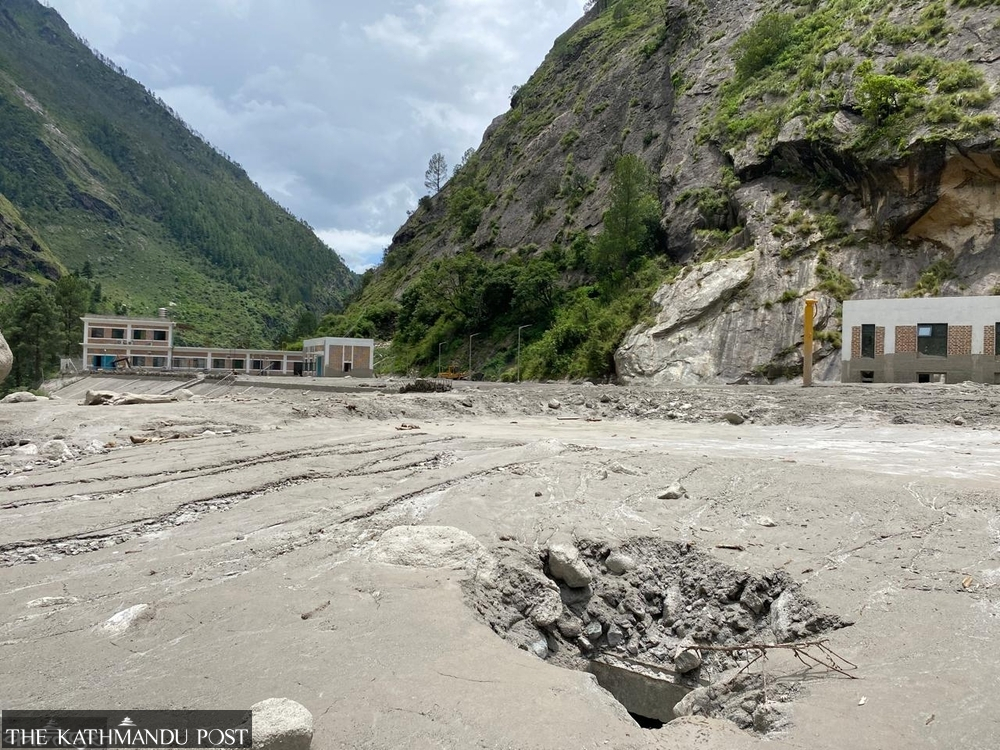
On June 8, a glacial burst in Tibet's Lhende River triggered a severe flood that caused extensive damage to the plant’s structures, including the headworks. After completing repairs on the headworks, water was temporarily diverted from the river, and one of the three units in the powerhouse was restarted on Saturday. The plant has an installed capacity of 111 megawatts, with each unit producing 37 megawatts.
The remaining two units are expected to be operational within a month, according to Nepal Electricity Authority (NEA) Managing Director Manoj Silwal. He also mentioned that other repair work in the headworks area will be completed before the next monsoon season. NEA holds the majority stakes in Chilime Hydropower Company.
Silwal commended the efforts of officials and staff from the NEA, Chilime Hydropower, and Rasuwagdi Hydropower Company for their dedication in restoring the damaged structures and bringing the plant back online. "Power generation from the plant will help manage electricity demand during winter," he said.
Impact of the Flood
The flood washed away critical machinery, gates, and debris-blocking equipment such as wood, shrubs, and plants. More than two meters of sediment accumulated in the headworks buildings. Large boulders hit the structures, and channels designed to direct water to the tunnels were destroyed during the floods. Additionally, the tailrace, used to release water after power generation, was fully submerged, leading to flooding on the turbine floor.
During the incident, 22 employees working at the plant were rescued by army helicopters from the headworks and residential areas, which were completely washed away. The flood also caused landslides that blocked the main road from Syafrubensi to the plant at several points.
Operational History and Future Expectations
The plant had started commercial power generation on December 31, 2024, but production ceased after the June flood. Once fully operational, it is expected to generate 613.875 million units annually, providing the company with over Rs3.25 billion in revenue from electricity sales.
Key Challenges Faced
- Structural Damage: The headworks, turbines, and tailrace were severely affected.
- Sediment Accumulation: Over two meters of sediment were found in the headworks.
- Equipment Loss: Critical machines and debris-blocking equipment were washed away.
- Infrastructure Disruption: The main road connecting the plant to Syafrubensi was blocked due to landslides.
Ongoing Repairs and Timeline
The repair process involves multiple stages, including:
- Repairing the headworks and restoring the flow of water to the turbines.
- Replacing damaged equipment and clearing sediment.
- Ensuring the tailrace and turbine floor are functional.
- Completing all necessary work before the next monsoon season.
The successful resumption of operations marks a significant step forward for the plant, which plays a crucial role in meeting the energy demands of the region. With the full restoration of all units, the plant is expected to contribute significantly to the national grid and support economic growth in the area.


Comments
Post a Comment