Samsung Electronics Manages Memory Gains and Smartphone Costs
The Impact of Rising Memory Prices on Samsung's Business
In the current era of artificial intelligence (AI), Samsung Electronics' DS (Semiconductor) Division is anticipated to experience a significant boost in performance. This comes as a result of memory supply shortages and rising prices, which are favorable for the company. However, this positive development contrasts with the challenges faced by Samsung's smartphone division (MX). The division is expected to encounter growing concerns due to the increased cost of memory chips, which leads to higher product prices.
According to market research firm IDC, the average selling price of smartphones next year is projected to reach a record high due to the rising costs of memory chips. Consequently, global smartphone shipments are expected to decline by 0.9% in the following year. IDC highlighted that Android devices in the mid-to-low price range, which are more sensitive to price changes, will be the most affected. Given that Samsung Electronics offers a wide range of mid-to-low-priced products globally, it is also within the scope of these challenges.
The Broader Implications of Rising Raw Material Costs
Rising raw material costs have become a common concern among smartphone manufacturers. As AI technology increases demand for memory, the prices of memory components used in smartphones are also on the rise. Market research firm TrendForce reported that fourth-quarter DRAM contract prices are expected to increase by over 75% compared to the same period last year. They further noted that since memory accounts for 10–15% of the total smartphone component cost, the overall unit cost this year is expected to increase by approximately 8–10%. The semiconductor industry anticipates that these memory price increases will continue into the next year. As a result, smartphone manufacturers are likely to reduce production and raise prices to maintain profitability.
Financial Pressures on Samsung Electronics
In its third-quarter report, Samsung Electronics revealed that "mobile AP prices rose by approximately 9% compared to the annual average of the previous year, and camera module prices increased by about 3%." The burden of raw material costs is becoming increasingly significant. Samsung Electronics managed to freeze the price of the Galaxy S25 when it was released earlier this year, which resulted in positive evaluations for its sales volume. Industry forecasts remain divided on whether Samsung will be able to maintain this pricing strategy next year. There is a strong opinion that if Samsung raises prices, the price gap with competitor Apple could narrow, reducing its competitiveness. Conversely, maintaining frozen prices would mean bearing losses, which is another challenge for Samsung. The recent high exchange rate is another concern for the company, as the cost of components purchased from overseas companies adds to its financial burden.
Potential Shift in Market Leadership
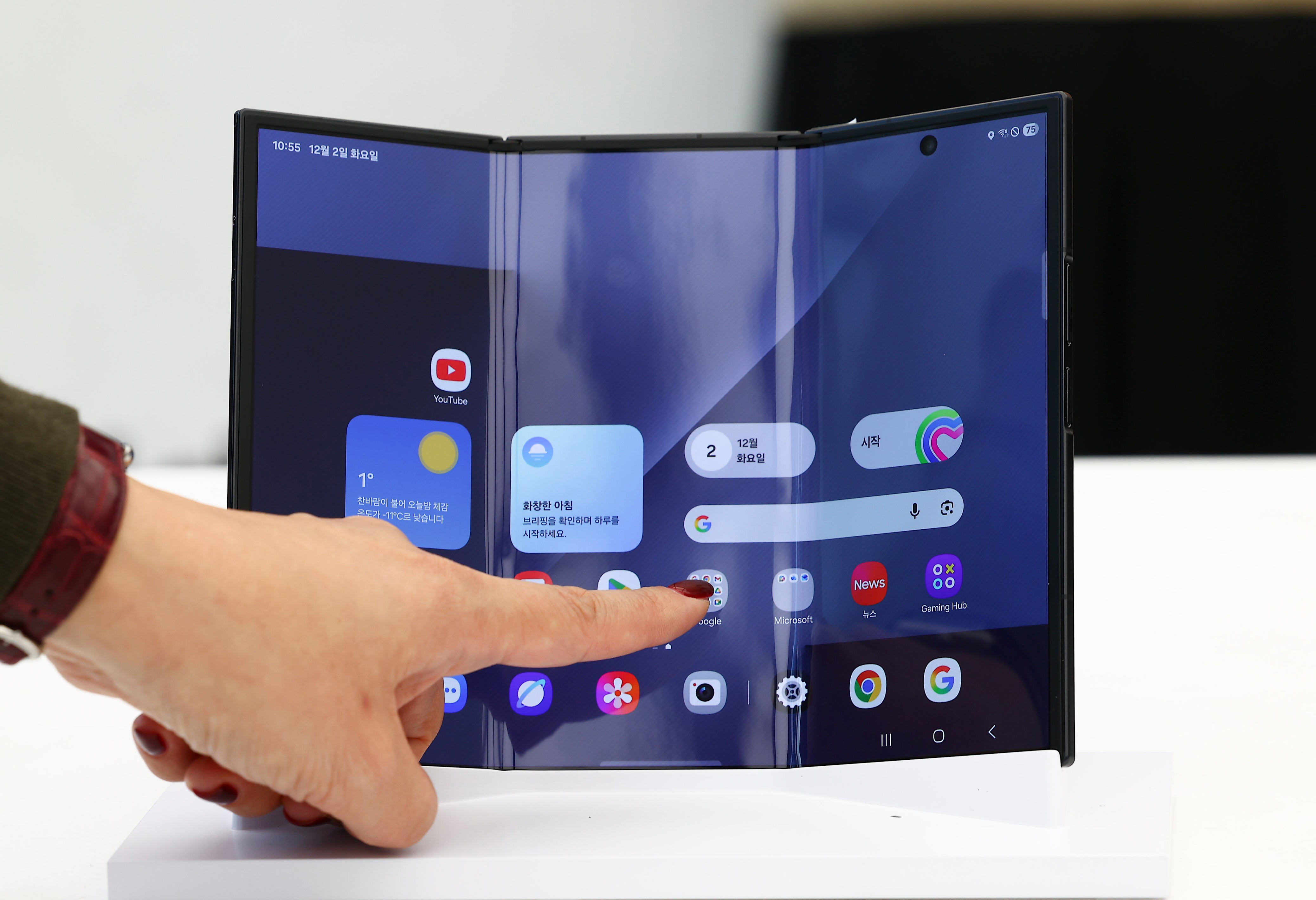
There are forecasts suggesting that Samsung Electronics could lose its position as the global smartphone (shipment-based) No. 1 to Apple for the first time in over a decade. The aggressive low-cost strategies of Chinese companies are intensifying. Amid these challenges, Samsung is also grappling with rising raw material costs, including memory. The unveiling of the Tri-Fold, which folds twice, appears to be an effort to overcome this crisis. It is hoped that Samsung Electronics will successfully navigate this crisis by leveraging its technological capabilities.


Comments
Post a Comment