Trapped in the Factory: How Japan Missed the AI Humanoid Revolution
The Evolution of Japan's Robotics Landscape
Japan has long been a leader in the field of robotics, particularly in industrial applications. However, the country's focus on manufacturing and engineering has led to a relative shortage of AI talent. This emphasis has resulted in a system where humanoid robots, once a symbol of innovation, are now overshadowed by their counterparts from China and the United States.
At the 26th International Robot Exhibition (IREX), held in early December at Tokyo Big Sight, Japan's domestic industrial robotics heavyweights dominated the event. Companies like Kawasaki, Fanuc, Yaskawa, and Nachi showcased their latest robotic arms, demonstrating precision in tasks such as welding, assembly, and material handling. Despite this, the most eye-catching exhibits were the humanoids, many of which came from Chinese start-ups aiming to make a global impression.
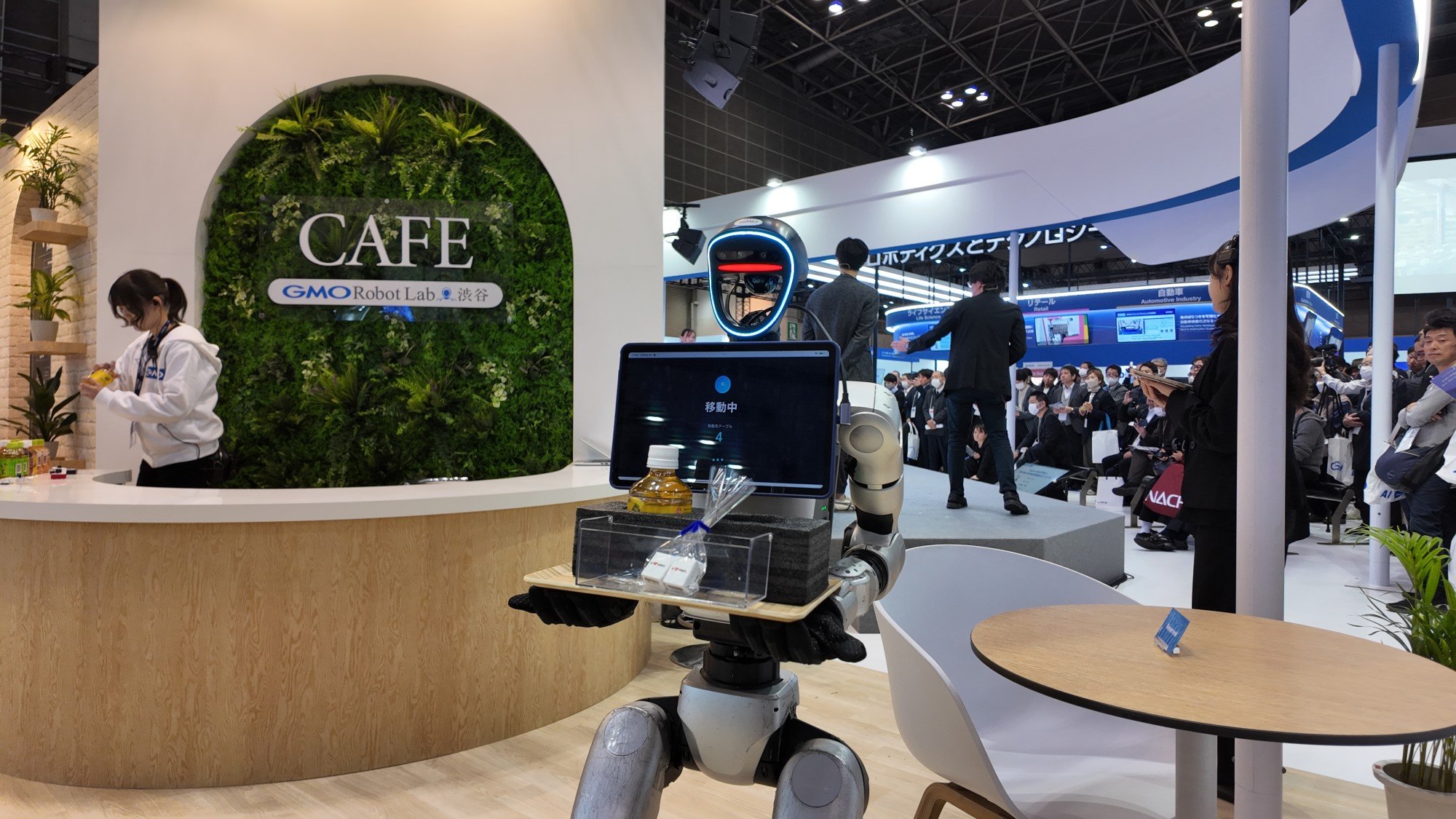
These humanoids, including those from Galbot, AgiBot, Robotera, and Lumos, demonstrated capabilities that extended beyond factory settings. For instance, Unitree's 130cm-tall humanoids were used as training platforms by various software providers. GMO, a Japanese internet conglomerate, even set up a small bar where these robots served drinks. Japanese start-up Tron also showcased several Chinese-made robots, highlighting their potential for factory tasks.
"Unitree's robot bodies are well built and easy to adapt for secondary development," said Johnny Chen, chairman of Solomon Technology, a Taiwan-based industrial AI and machine-vision specialist. This sentiment was echoed by other industry experts who recognized the growing influence of Chinese robotics companies.
Beyond the humanoids, a range of suppliers from China's robotics supply chain were present at IREX. These included electric drive component maker Leaddrive, lidar and mobile chassis system provider Slamtec, laser component firm Lanhai Photoelectricity, and D-Robotics, which provides chips and software platforms.
"Industrial robots are Japan's traditional stronghold," said Tang Jin, a senior principal researcher at Mizuho Bank. "China is competing in new technologies and new tracks - areas without clear ceilings and not yet dominated by entrenched players."
A Historical Perspective on Japanese Humanoid Robots
Japan's journey with humanoid robots began in the 1960s, with Waseda University unveiling WABOT-1, widely regarded as the world's first full-scale humanoid robot. Its successor, WABOT-2, introduced in the 1980s, could even play a keyboard. Honda's ASIMO, introduced in 2000, became a global icon, capable of walking, running, and even playing football with then-US President Barack Obama.
However, despite these achievements, many high-profile projects have since come to an end. Honda ceased development of ASIMO in 2018 due to financial difficulties, while SoftBank's Pepper, a semi-humanoid robot, was halted in 2021 due to weak demand.
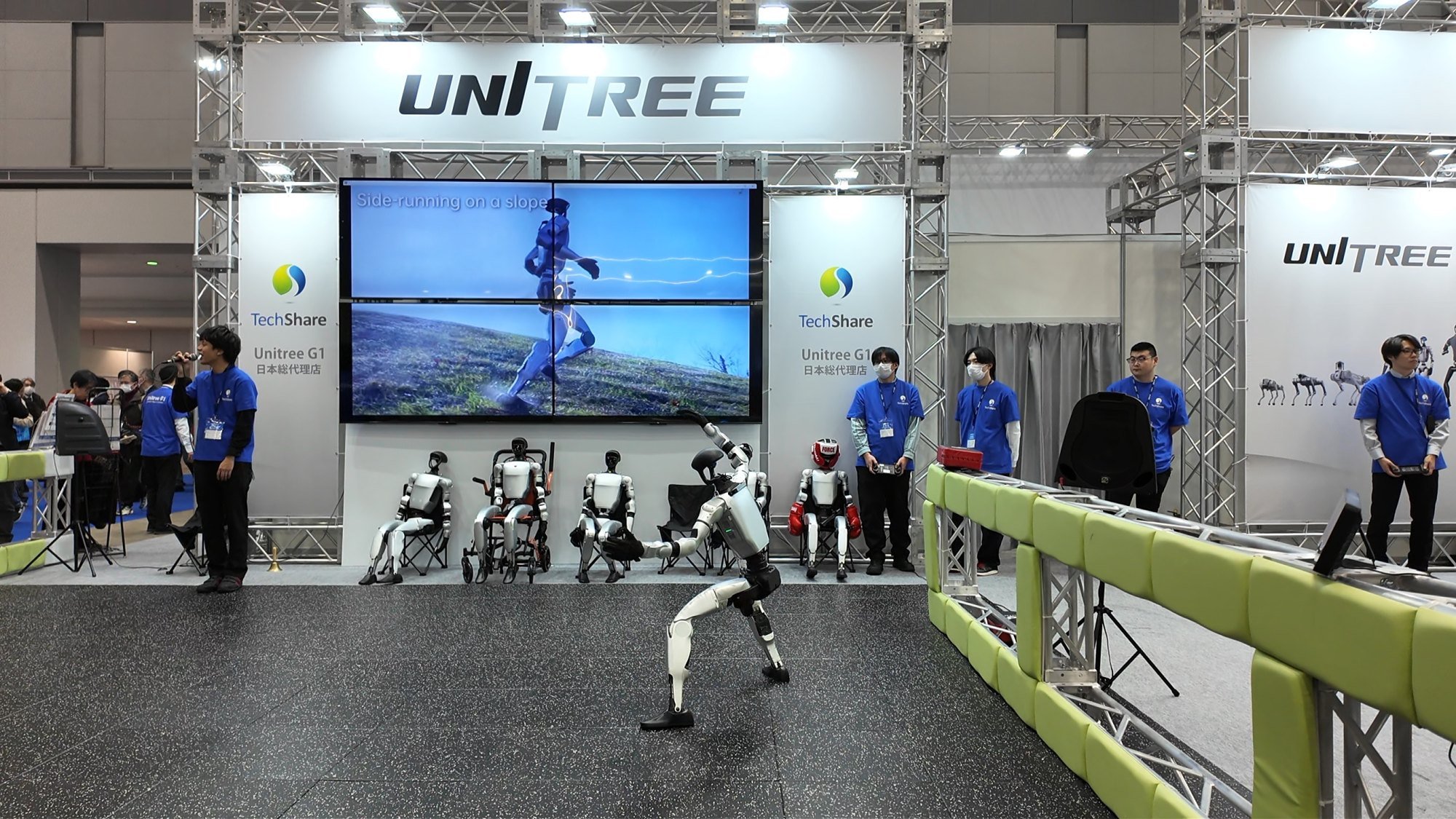
Takaaki Shigemitsu, president of Techshare, noted that Japan's attitude towards humanoid robots has shifted. "Humanoids in Japan were already dancing 35 years ago," he said. "But they didn't contribute to industrial work, only entertainment. Public interest ... eventually disappeared."
The Role of Artificial Intelligence in Modern Robotics
The current humanoid robotics boom is driven by artificial intelligence, which allows robots to self-learn and develop more generalized capabilities. Unlike earlier generations of robots, which relied on preprogrammed actions, modern humanoids can adapt and evolve.
"China's digital economy has crossed a qualitative threshold," said Tang of Mizhuo Bank, citing strengths in software development, a deep AI talent pool, and a vast domestic market that offers abundant real-world training scenarios.
In contrast, Japan's university system has long centered on engineering faculties led by manufacturing, resulting in a relative shortage of AI talent. While Japanese companies remain highly competitive in traditional robotics, accounting for 38% of global production according to the International Federation of Robotics (IFR), strategic pivots have proven difficult.
China's Rise in Robotics
China's manufacturing sector has experienced rapid growth, with initiatives like Made in China 2025 setting out Beijing's ambitions to build a "manufacturing powerhouse." This policy emphasizes robotics and related supply chains as strategic priorities, focusing on both industrial and service robots.
By 2024, China had installed 295,000 industrial robots, representing 54% of global demand, while domestic suppliers surpassed foreign rivals, capturing 57% of the local market, according to IFR data.
"China's nationwide industry policy is very effective at scaling up," Tang said, citing solar power and electric vehicles as precedents. "Competition is then allowed to play out, and the strongest players emerge."
This approach is now being applied to humanoid robotics, backed by national and local policy support as well as rising private sector investment.
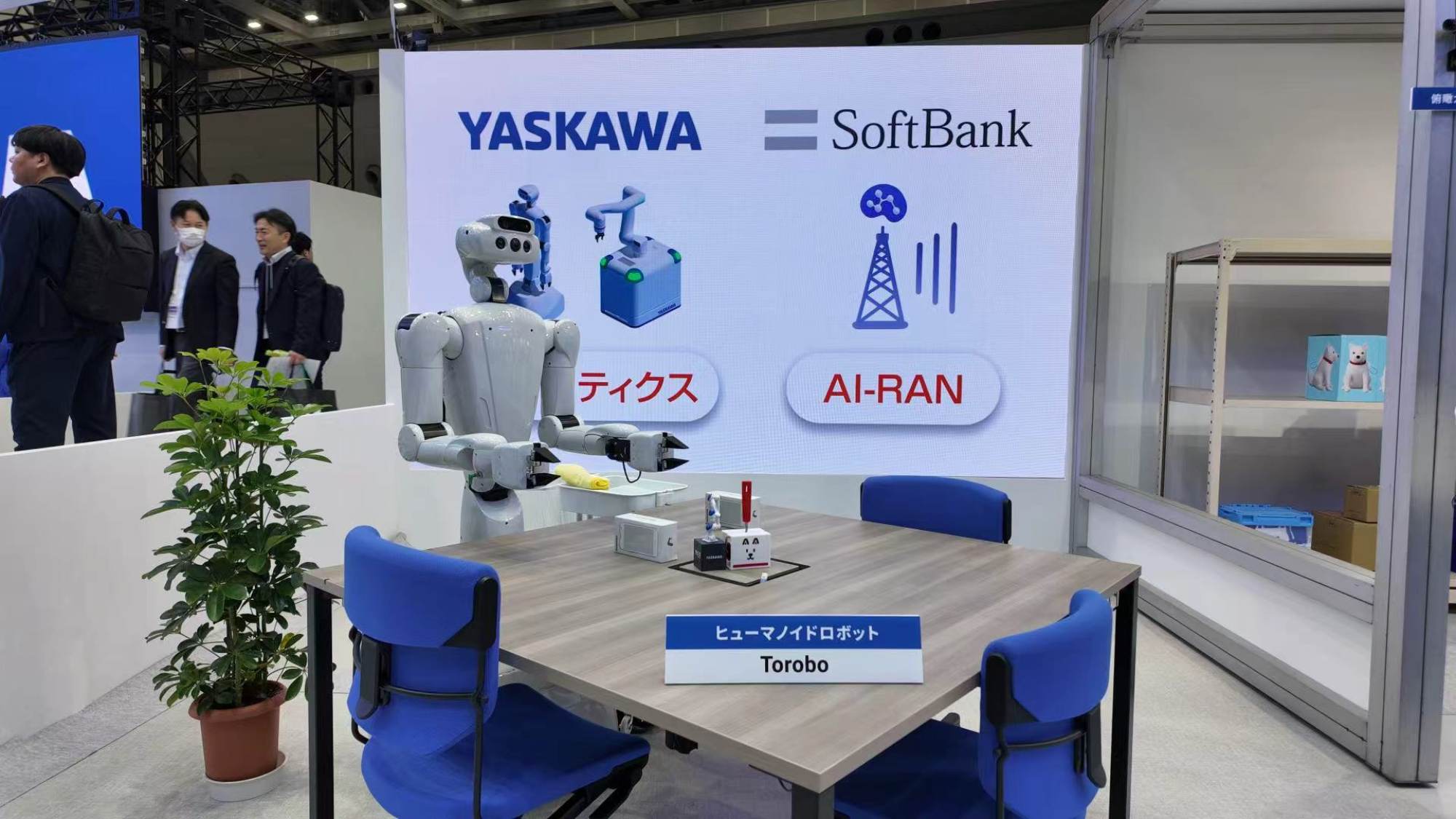
At IREX, the interdependence of the Chinese and Japanese robotics industries was evident. Robotic arms from Japan are widely used in Chinese factories, often paired with Chinese-made 3D cameras, while Japanese precision components are embedded in Chinese humanoid robots. Many Japanese manufacturers also continue to operate production facilities in China.
"We're here to visit Japanese clients and explore new business-development opportunities," said Yvonne Yuan, overseas branding head at Beijing-based Galbot, which is also working with Chinese carmakers to test robots in factory settings.
The Future of Robotics in Japan
Japan's "new robot strategy" launched in 2015 aimed to expand robotics into healthcare, infrastructure, agriculture, and everyday life, partly to address labor shortages and rapid aging. However, adoption fell short of the plan's goals, constrained by high costs and limited technological capability.
Now, the country that once dominated robotics is trying to catch up amid the AI-driven shift. The Kyoto Humanoid Association, established in August, aims to revitalize the country's humanoid robotics industry by bringing together manufacturers and academia.
At IREX, Kawasaki showcased the latest version of its humanoid robot Kaleido, demonstrating the 191cm-tall biped's ability to take out rubbish and assist in house-fire rescue scenarios via virtual reality-based remote control.
Ultimately, everything comes back to the same question: are robots useful? Chinese humanoid developers are now under pressure to prove real-world value, with companies such as Shenzhen-based UBTech highlighting confirmed orders and mass-production plans.
Scepticism remains. TrendForce said China's main challenge in 2026 would be balancing mass-market affordability with high-end differentiation while building ecosystems that support data and applications. In a December research note, Morgan Stanley was similarly cautious, saying that while many companies had set aggressive targets for 2026, near-term hurdles remained. "The industry will need to wait for verification of commercialisation before realising its long-term potential," the bank said.


Comments
Post a Comment