Forget Baskets and Shelves: The Hidden Secret to Smart Toilet Paper Storage
The Evolution of Space in Urban Living
In cities where real estate is shrinking and rent is rising, the space inside a home has transformed into an asset measured not by square meters but by daily function. Nowhere is this more apparent than in bathrooms, which are often small, overused, and underdesigned. While the challenge of limited space is not new, the way people are responding to it is changing.
Traditional storage solutions are often inaccessible or inefficient, leading households to look for alternative ways to maximize their living space. Instead of relying on conventional storage methods, many are turning to objects they already own—items originally designed for different purposes. These repurposed items are being used to solve spatial issues, marking a subtle yet significant shift in how people think about their homes.
This change is not driven by interior design studios or high-end showrooms. Rather, it comes from the ground up, influenced by renters, students, and families who are making do with less. In small apartments and shared housing, every inch of space must be earned, and floor space must be preserved.
A Cost-Effective Solution for Small Spaces
One solution that is gaining traction is the use of over-the-door shoe organizers. Originally intended for storing footwear, these fabric-based systems are now being repurposed to hold toilet paper and other bathroom essentials. These organizers typically feature rungs or large pockets that can accommodate full-size rolls and hang behind doors without requiring any tools or permanent fixtures.
The concept of vertical storage offers a compact solution to a common problem: where to keep frequently used items in a space with minimal cabinetry. By moving storage off the floor and onto unused vertical space, residents can avoid the clutter that often comes with baskets or shelf-based systems.
The affordability and portability of these organizers make them particularly appealing to renters and those living in shared accommodations. They allow for flexible rearrangement without damaging walls or committing to built-in solutions. Their neutral design means they are neither decorative nor disruptive, making them a practical choice for many.
Practicality Over Design: Trade-Offs and Limitations
Despite the benefits, the use of shoe organizers for bathroom storage is not without its limitations. Some models with lightweight construction may lose shape under repeated use or when overloaded. Additionally, certain door types can limit access or create friction when the door is opened or closed.
The open-pocket design also leaves items exposed to humidity, spills, or potential contamination—issues that are especially relevant in shared bathrooms. For those who prioritize aesthetic design, the utilitarian appearance of the organizer may not align with their vision of a curated interior.
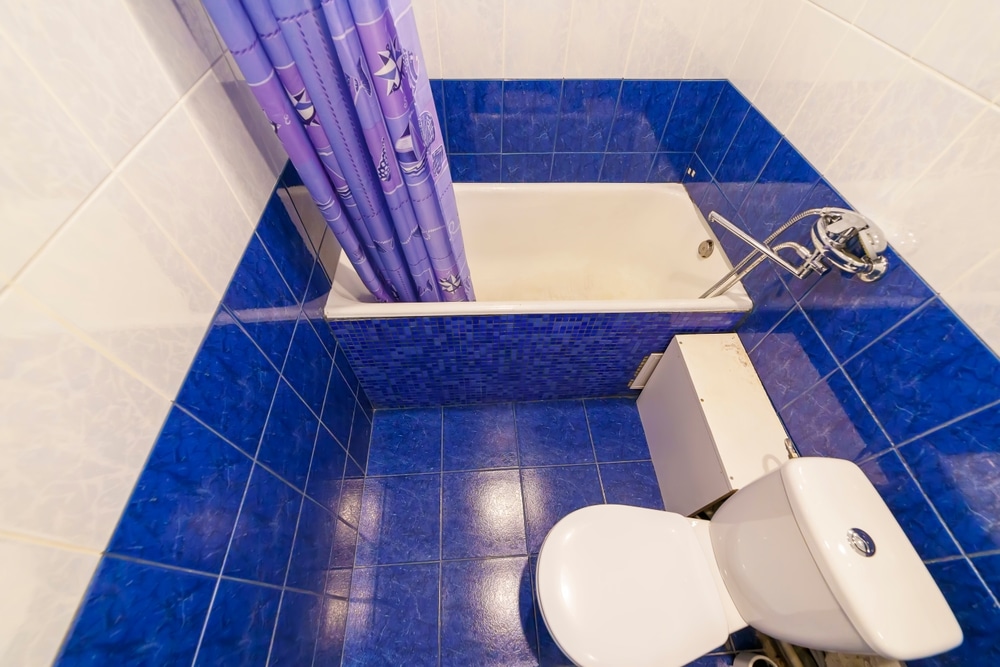
However, these limitations have not stopped the widespread adoption of this method. For many, functionality takes precedence over form. The ability to reorganize without tools, screws, or professional installation makes this solution ideal for environments where permanence is not guaranteed.
This approach reflects a broader behavioral pattern: consumers choosing modular, flexible setups over traditional, fixed infrastructure. As home dynamics change more frequently due to job changes, leases, or life transitions, storage that moves with the occupant becomes not just useful but necessary.
Behavioral Shifts in the Domestic Economy
The adoption of repurposed storage tools is closely tied to trends on social media platforms such as TikTok and Pinterest. These platforms have become key channels for sharing domestic innovations. Solutions that were once passed down through word-of-mouth or personal networks now reach a global audience in days.
These platforms accelerate the reclassification of everyday objects. In the case of the shoe organizer, visual demonstrations of the hack have contributed to a growing base of users replicating the method in varied housing conditions. This form of digital trial-and-error creates an informal yet powerful feedback loop that influences consumer behavior far beyond the original context.
A 2023 report from the Joint Center for Housing Studies at Harvard University found that the number of U.S. renters remains at a historic high, with younger adults and single-person households making up a significant portion of that demographic. These groups often face financial constraints and limitations on permanent alterations to their living spaces. For them, multipurpose tools like the shoe organizer represent more than convenience—they provide autonomy within constrained conditions.
This behavioral shift coincides with increased demand for products that serve multiple functions. The modern home, increasingly transient and fluid, requires tools that do not insist on permanence. Rather than fitting storage into architecture, consumers now fit architecture around storage.


Comments
Post a Comment