"I Don't Have a Philosophy": A Conversation with Naoto Fukasawa
The Vision of Naoto Fukasawa: Designing for Harmony and Intuition
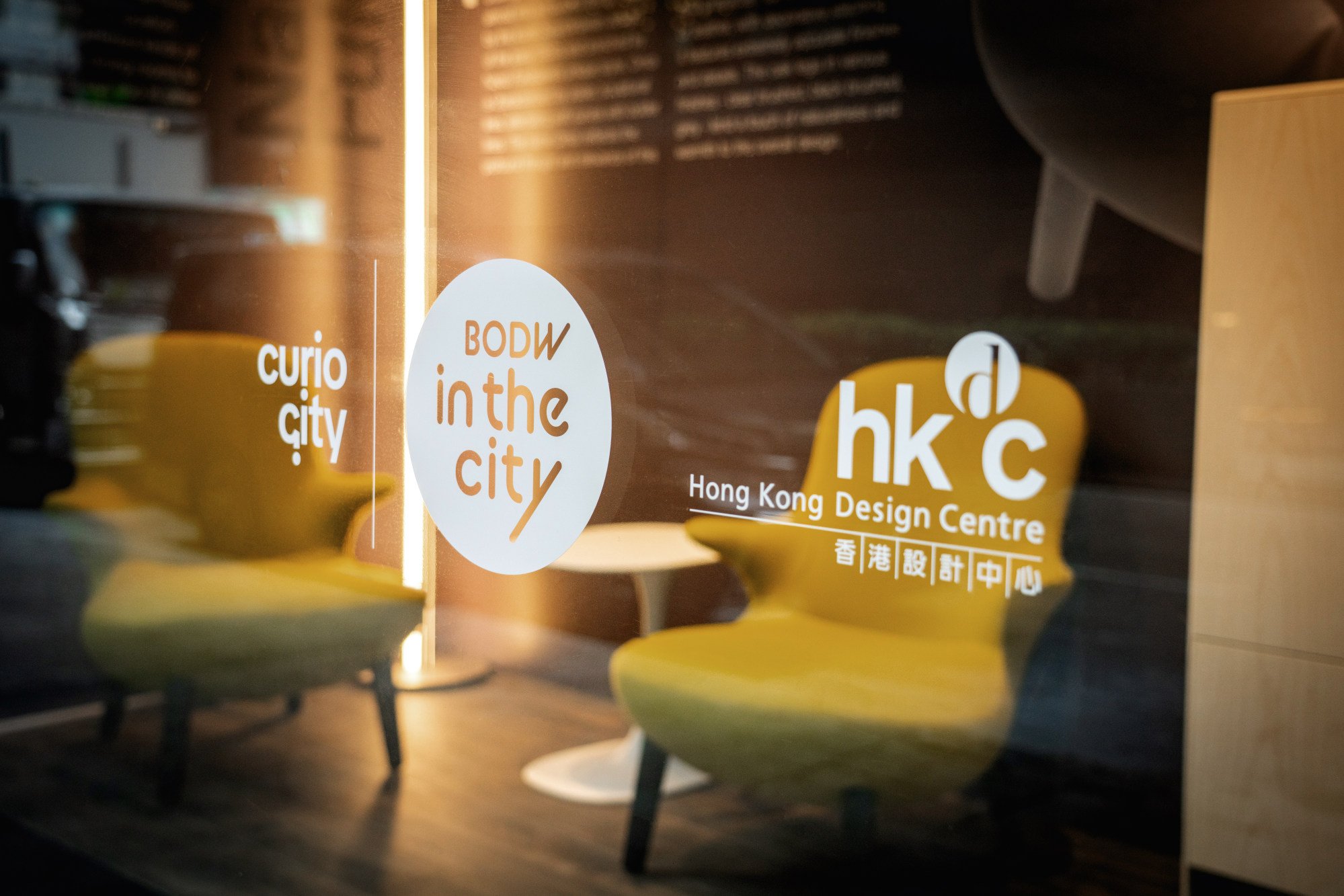
In an exclusive interview, the renowned product designer Naoto Fukasawa shared his insights on design philosophy, emphasizing the importance of creating objects that seamlessly integrate into users' lives. This conversation took place on the sidelines of BODW In the City, an extension of Hong Kong's Business of Design Week, which recently concluded on January 18.
Fukasawa’s work has long been celebrated for its purity of form, tactile warmth, and quiet sophistication. Yet, he claims not to have a consistent design philosophy. "I don't have a consistent philosophy running through my projects," he states. Instead, his focus lies in crafting objects that evoke a sense of "rightness" — a feeling of harmony between the object and its user.
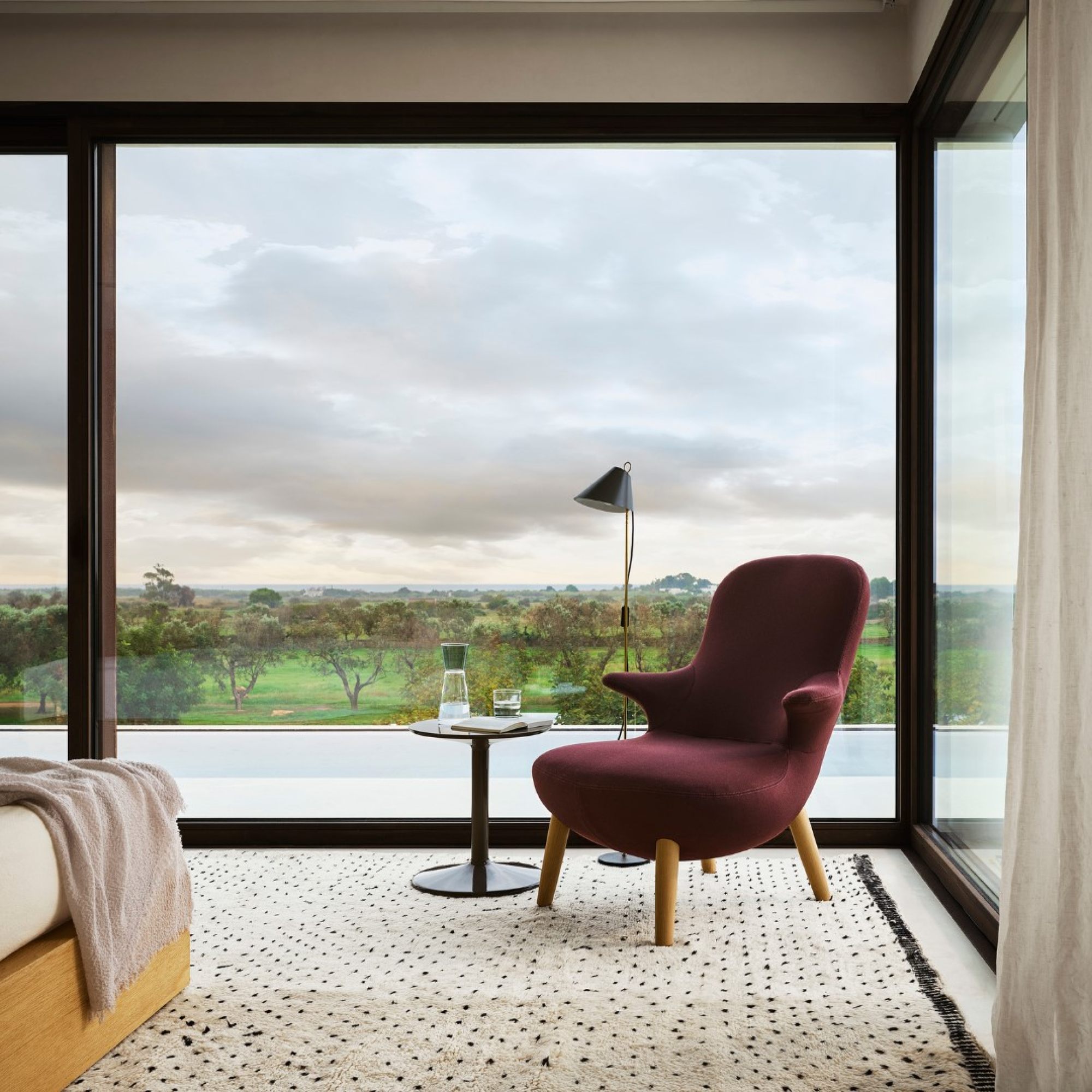
This approach, while seemingly simple, is deeply rooted in the idea that no product exists in isolation. Even something as basic as a water bottle requires consideration of all aspects of life. "We have to consider all of life," Fukasawa explains, highlighting the interconnectedness of design and daily experiences.

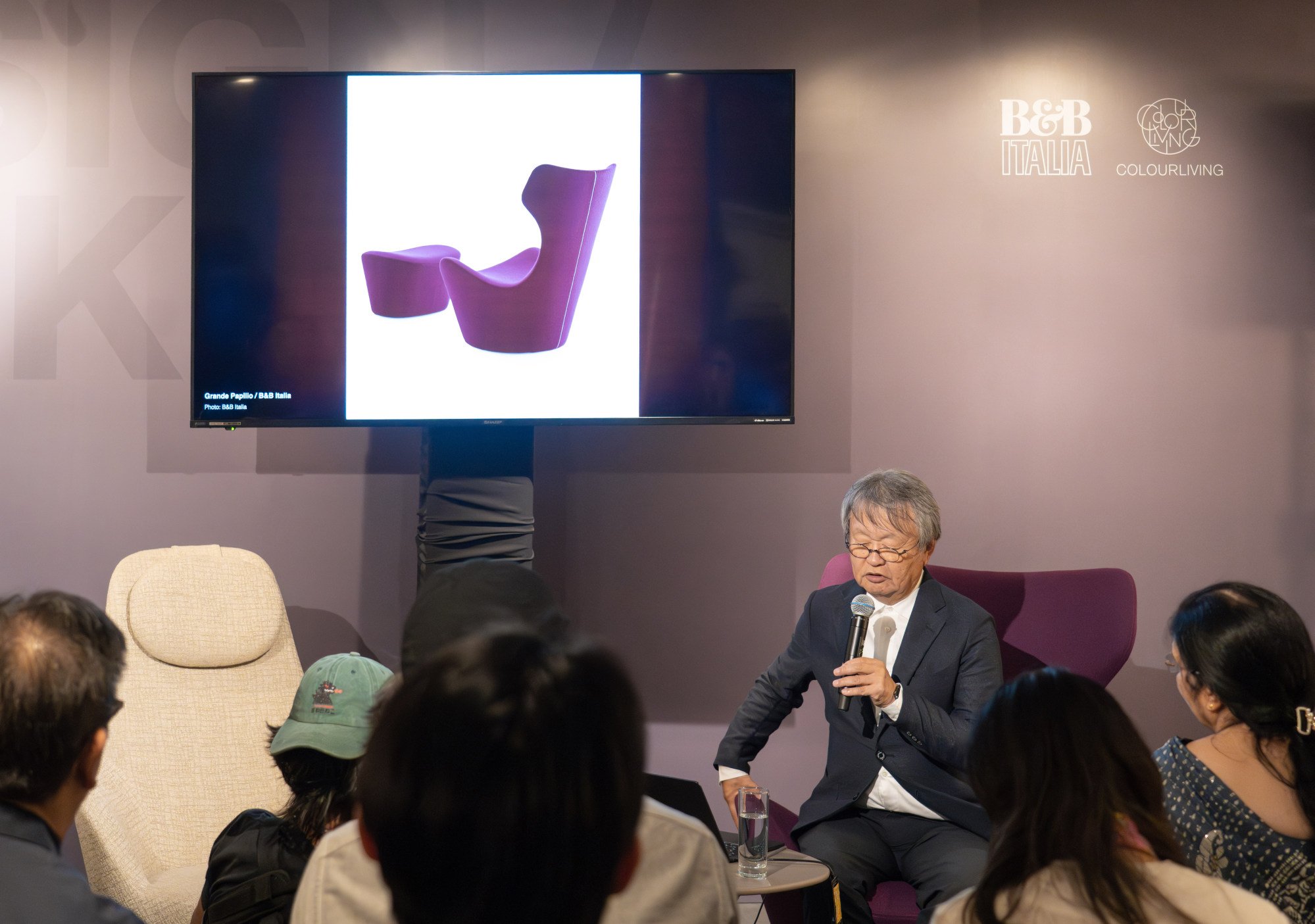
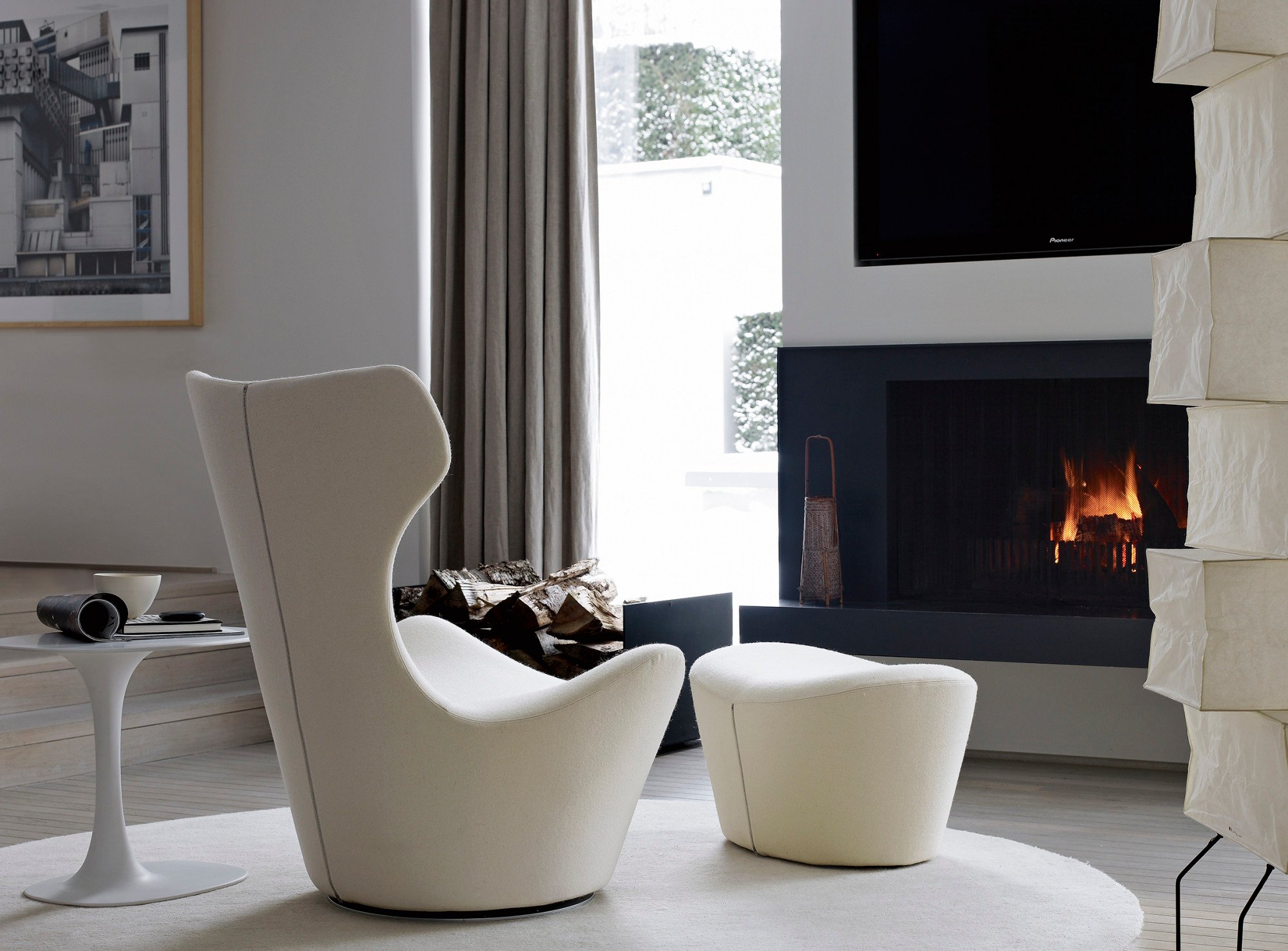
Fukasawa was in Hong Kong to give a talk at B&B Italia's showroom, where he discussed the brand's focus on "life quality." His collaboration with B&B Italia led to the creation of the Grande Papilio armchair (2009), a piece that challenges some of his own design principles. While the chair's imposing throne-like height might seem to contradict his belief in objects being in the background, Fukasawa sees it as a sculptural form that can also be functional. "Beauty is one of the functions," he notes.
This philosophy aligns with the broader concept of objects harmonizing with their environment. Whether they are in the foreground or background depends on the specific context. "I believe that everything — objects, the home, the workplace, life as a whole — should be harmonised and integrated," Fukasawa elaborates. He believes that a beautiful environment contributes to a more fulfilling life, from clothing to food.
Fukasawa's career began in 1980 as an in-house designer at Seiko Epson. Later, he joined ID Two, which evolved into Ideo, working in both California and Tokyo. His work expanded beyond electronics to include furniture and other product categories. In 2003, he founded Naoto Fukasawa Design, further cementing his influence in the design world.
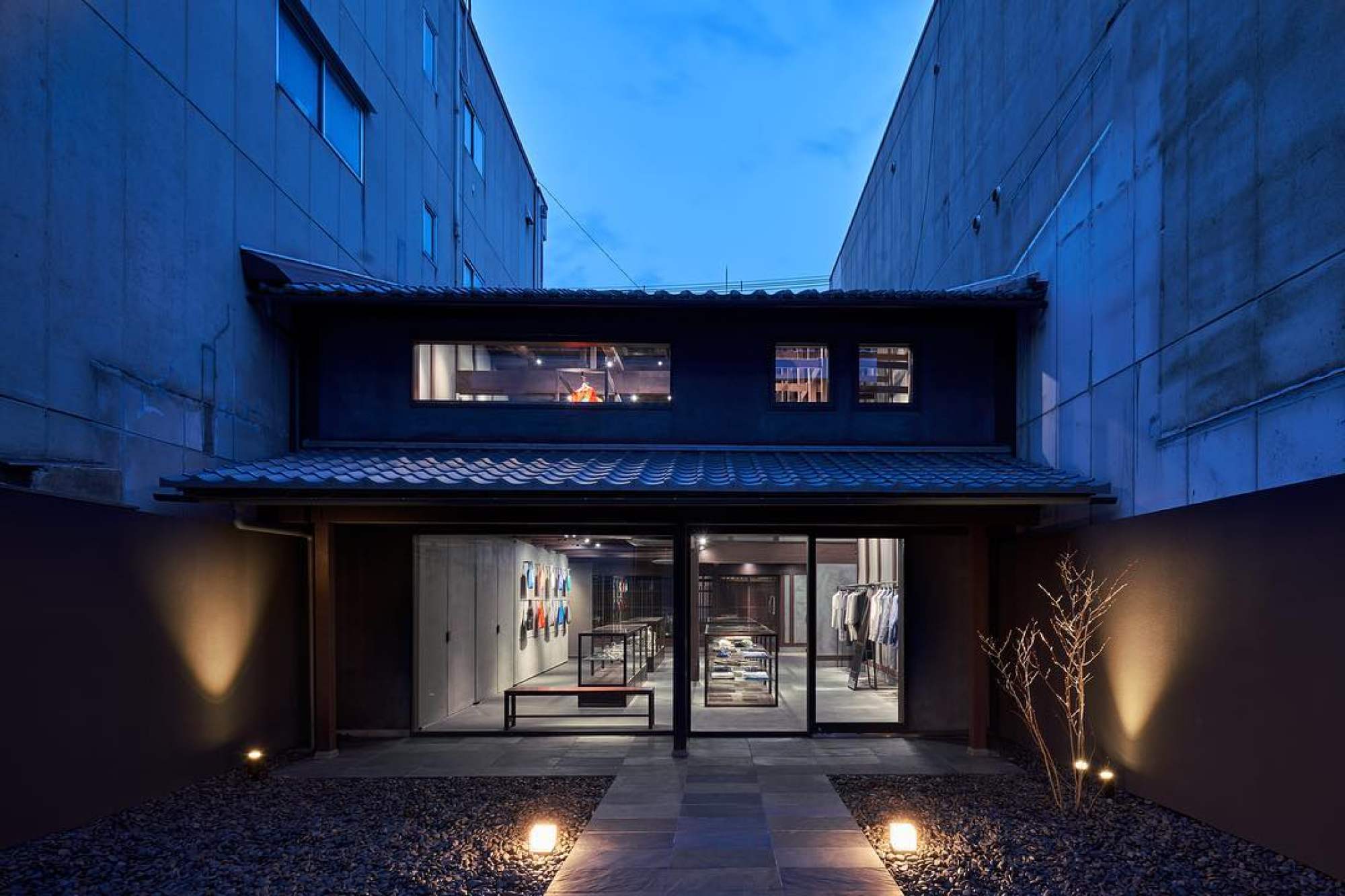
Notable projects include collaborations with Tadao Ando on the 21_21 Design Sight museum in Tokyo and retail interior designs for Issey Miyake stores. For the Kyoto store, Fukasawa blended heritage elements with modern minimalism, showcasing his sensitivity to context.
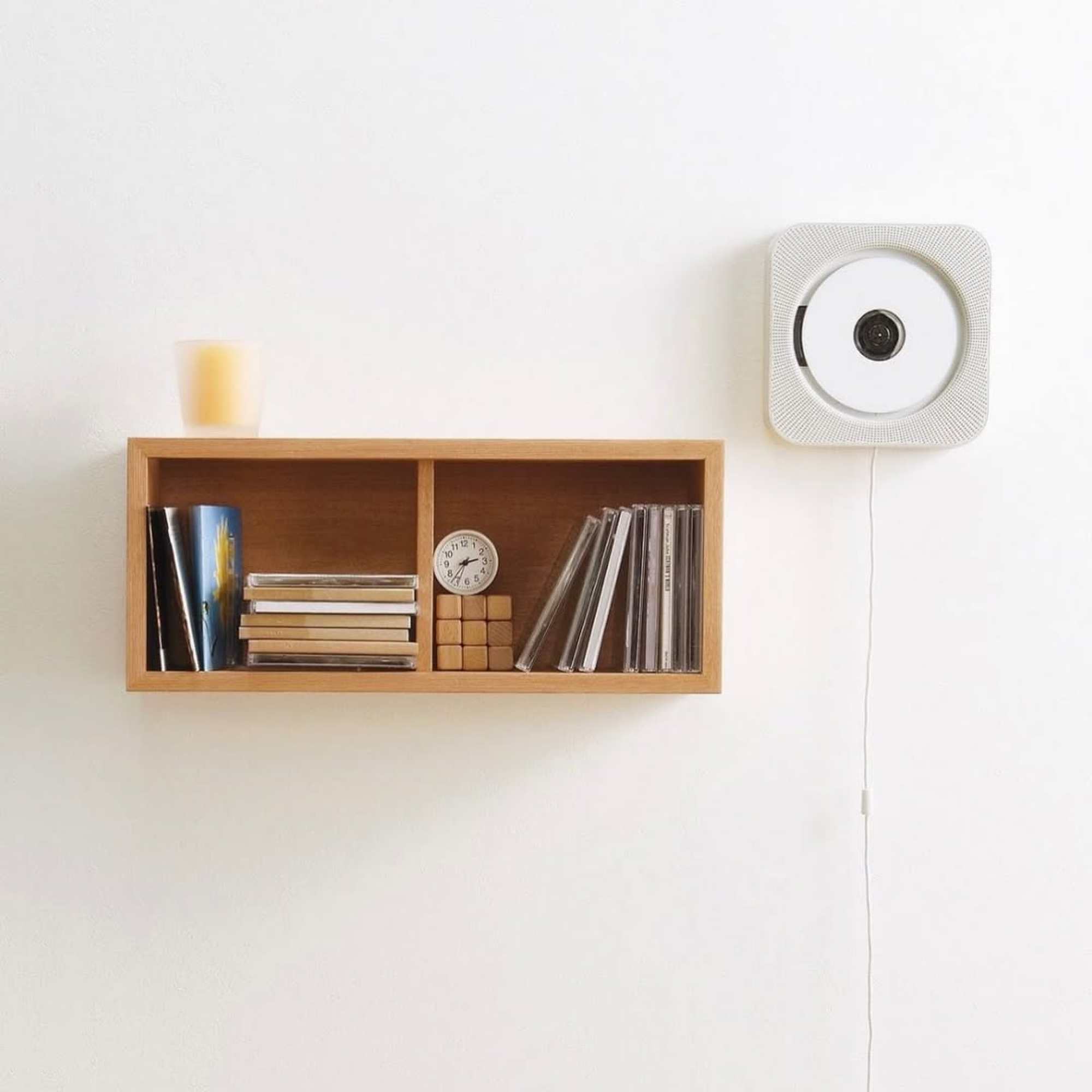
His designs often reflect a natural empathy for human behavior. For instance, the Muji wall-mounted CD player (1999) was inspired by pull-cord designs found in kitchen extractor fans. "Muji is more flexible," Fukasawa says, noting that the brand's identity is not dictated by shape or form but by a philosophy of non-design.
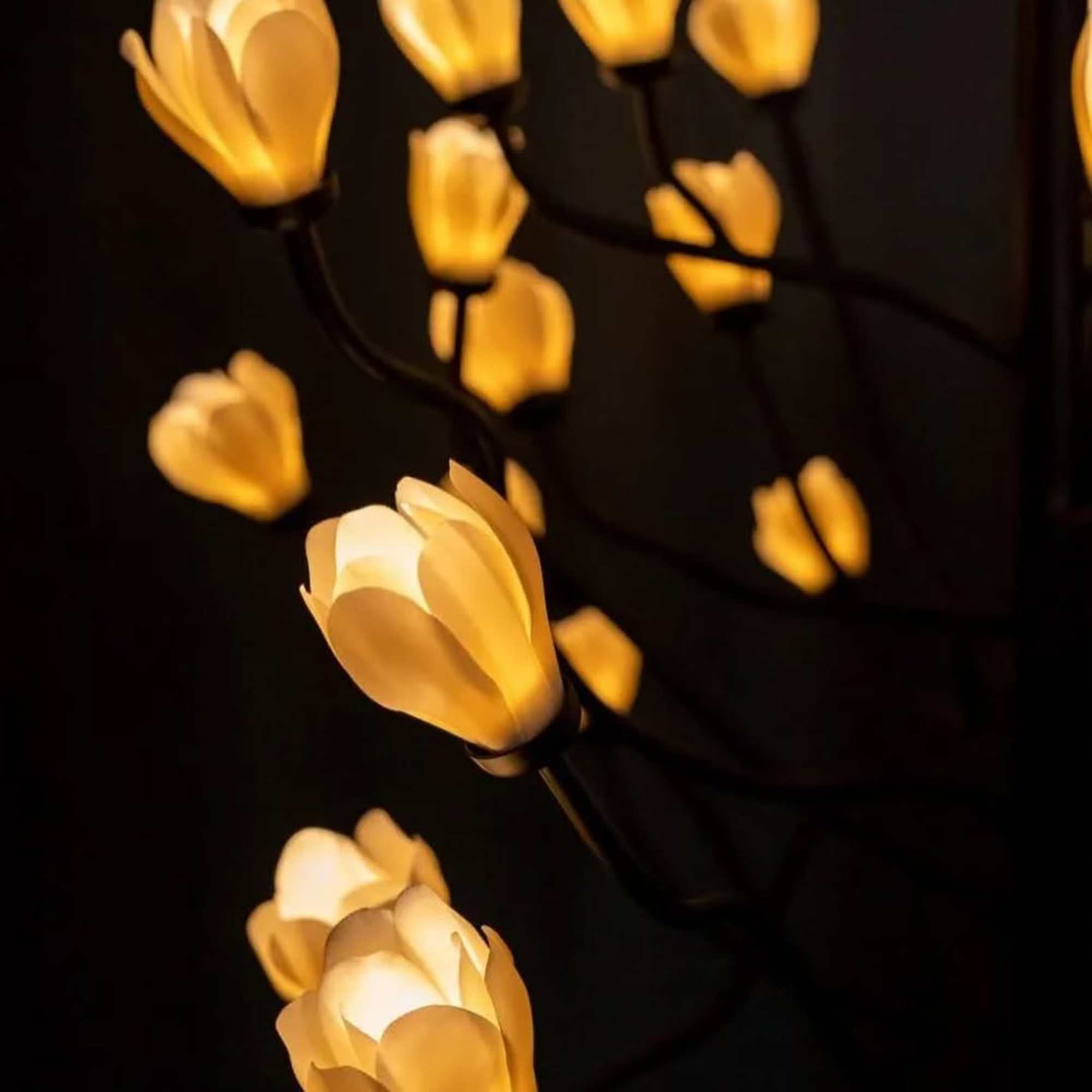
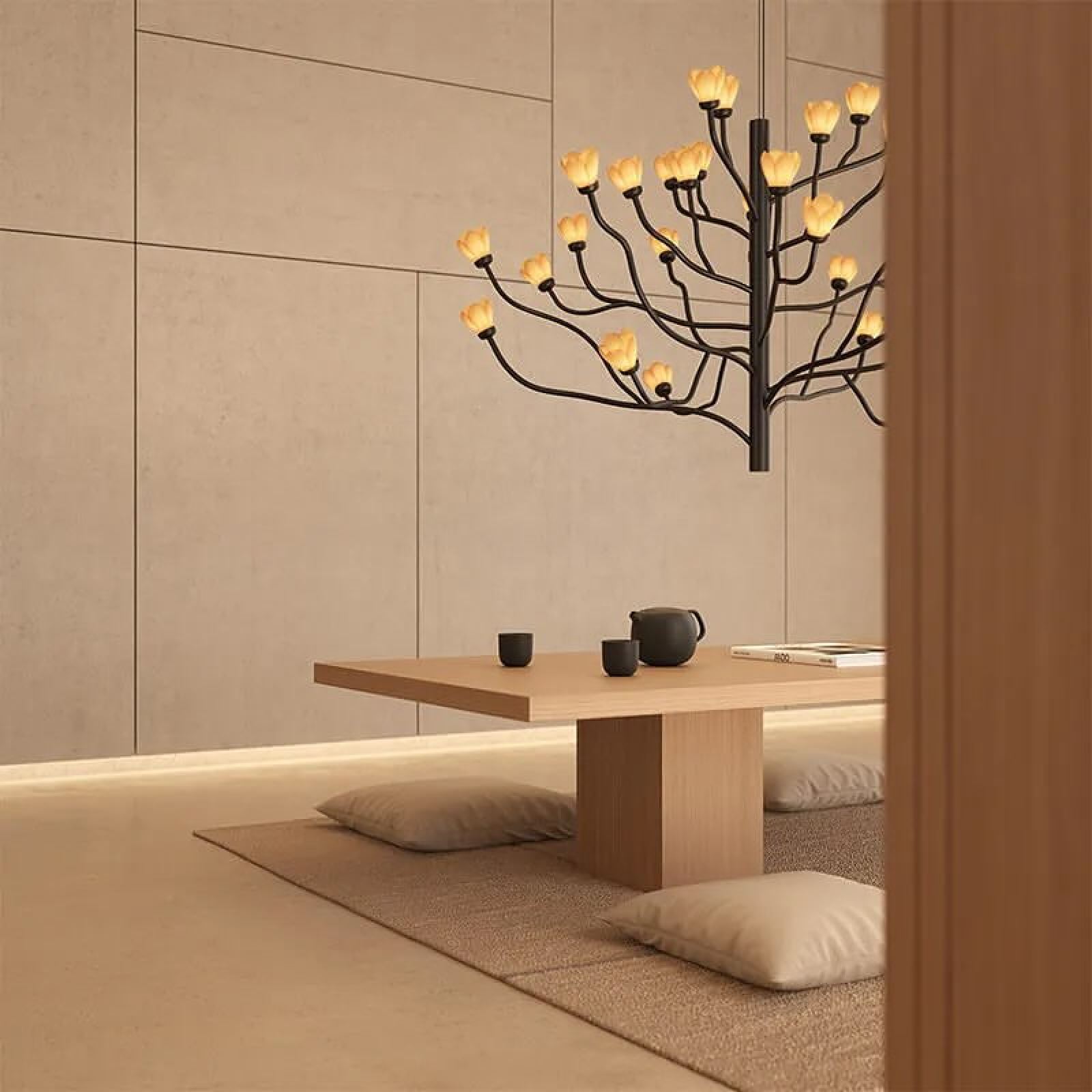
Similarly, the Miz water bottle (2024) for Hay features slim dimensions that make it easy to hold and fit comfortably in a bag or refrigerator. In lighting, the Mokuren chandelier (2023) for LladrO draws inspiration from the white magnolia tree, offering a warm, organic glow that contrasts with traditional chandeliers.
Fukasawa rejects the notion of marketing research that categorizes individuals. "We are not a market: we are humans," he emphasizes. He focuses on common behaviors that people exhibit unconsciously, rather than on the mind or personality.
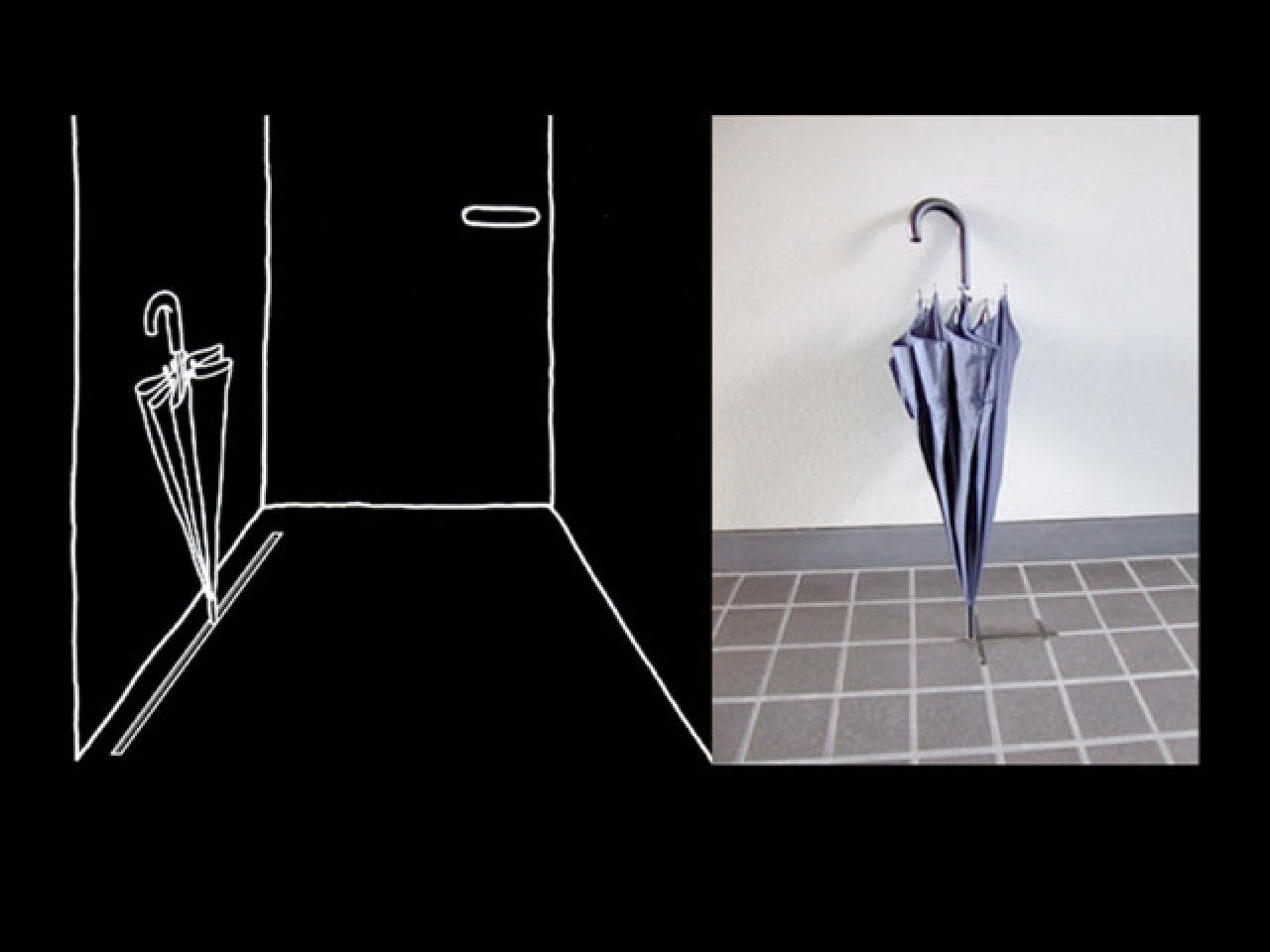
Some of his designs, like the Invisible Umbrella Stand (1998), challenge conventional thinking. This simple groove in a floor tile accommodates the tip of an umbrella, reflecting Fukasawa's keen observation of everyday habits. The design, which has sparked academic interest, exemplifies how perception shapes his work.
From furniture to everyday tools, Fukasawa's objects are designed to blend seamlessly into daily life. By focusing on what feels natural, he continues to demonstrate that good design does not need to declare itself — it simply fits.
Through his work, Fukasawa remains a guiding force in the design world, emphasizing harmony, intuition, and the subtle power of objects to enhance human experience.



Comments
Post a Comment