Malaysia Crowned Top Southeast Asian Destination for Second Year in a Row
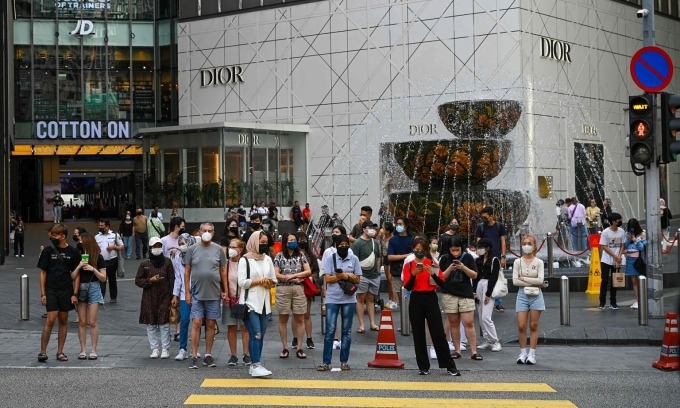
Malaysia's Rise as a Regional Tourism Leader
Malaysia has once again claimed the top spot in the regional tourism race for the second consecutive year, surpassing Thailand in 2025. This achievement is attributed to several strategic initiatives, including a flexible visa policy and significant infrastructure improvements. The country's efforts have paid off, with a notable increase in foreign arrivals compared to previous years.
Tourism Malaysia, under the Ministry of Tourism, Arts and Culture, reported that the country welcomed 38.3 million foreign visitors in the first 11 months of 2025. This number not only exceeded the total recorded for the entire year of 2024 but also highlighted the growing appeal of Malaysia as a tourist destination.
In contrast, Thailand, which had long been a dominant force in Southeast Asian tourism, saw a decline in international arrivals. According to reports, Thailand received only 32.9 million visitors in 2025, marking a 7% year-on-year decrease. This drop represents the first annual decline in international arrivals in a decade, excluding the pandemic period. The downturn can be attributed to a series of challenges that Thailand faced in the past year.
Challenges Faced by Thailand
Thailand, once a leading tourism hub in Southeast Asia, experienced a series of setbacks that impacted its tourism sector. These included incidents of kidnapping, a deadly earthquake, border tensions with Cambodia, and severe flooding. These events disrupted the flow of tourists and affected the overall perception of the country as a safe and stable destination.
The combination of these factors led to a decline in visitor numbers, allowing Malaysia to capitalize on the situation and strengthen its position in the region. Malaysia's proactive approach to addressing these issues and enhancing its tourism offerings has made it a more attractive option for travelers.
Visa Policy and International Air Routes
One of the key factors contributing to Malaysia's success is its flexible visa policy. In May 2025, Malaysia announced an extension of the visa exemption for Chinese travelers for another five years, with the possibility of extending it for an additional five years. This initiative was initially introduced in December 2023 and is set to continue until 2026.
This policy has been instrumental in attracting a significant number of Chinese tourists, who are known for their high spending power and interest in travel. By simplifying the visa process, Malaysia has made it easier for visitors to plan trips and explore the country's diverse attractions.
In addition to the visa policy, the Malaysian government has also focused on expanding international air routes. This effort has led to increased connectivity between Malaysia and various global destinations, making it more accessible for international travelers.
Infrastructure Improvements
Another critical factor in Malaysia's success is the ongoing upgrades to its infrastructure. Kuala Lumpur International Airport (KLIA) has undergone significant improvements, particularly in Terminal 1. These upgrades have enhanced the passenger experience, making it more efficient and comfortable for travelers.
The modernization of KLIA has also helped Malaysia compete with other regional airports, ensuring that the country remains a top choice for international visitors. The improved facilities and services have contributed to the overall positive perception of Malaysia as a well-developed and welcoming destination.
Conclusion
Malaysia's rise as a regional tourism leader in 2025 is a testament to its strategic initiatives and commitment to improving the travel experience for visitors. With a flexible visa policy, expanded air routes, and upgraded infrastructure, the country has positioned itself as a strong competitor in the Southeast Asian tourism market. As Thailand continues to address its challenges, Malaysia's continued focus on innovation and improvement will likely solidify its position as a top tourist destination in the region.


Comments
Post a Comment