Top winter-blooming wall plants to enhance your garden now
Winter-Flowering Plants to Brighten the Garden
As winter begins to wane, the arrival of early flowers brings a sense of hope and renewal. Warm, sheltered walls create ideal conditions for plants to bloom even during the colder months, offering a splash of color when it's most needed. These winter-flowering plants not only add beauty to the garden but also serve as reminders that spring is on its way.
Clematis Varieties for Winter Interest
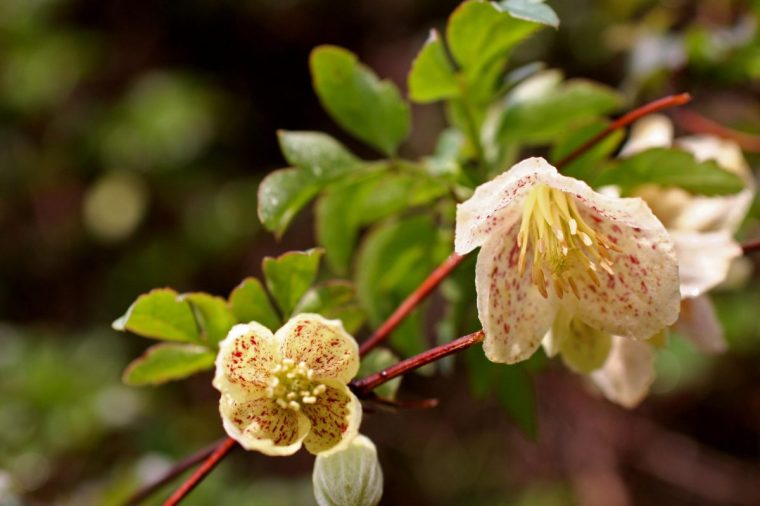
One such plant is Clematis cirrhosa var. purpurascens “Freckles”, which produces small, pale yellow bell-shaped flowers dotted with red. These blooms appear from autumn through early spring, accompanied by evergreen, fernlike foliage. This variety can grow up to 3.5 meters tall, but regular pruning after flowering helps maintain its shape. However, this practice may reduce the number of silky seedheads that appear in summer. It is hardy and thrives in most garden soils, provided it receives full sun or light shade.
Another option is Clematis urophylla “Winter Beauty”, which is slightly more tender and best suited for south-facing walls or fences up to 4 meters high. It features dark green leaves and creamy bell flowers that flare attractively at the tips. Similarly, Clematis napaulensis offers creamy bell flowers with long purple anthers. Unlike many clematis species, it sheds its leaves in summer and regains them in autumn.
Honeysuckles and Their Winter Appeal
While climbing honeysuckles typically do not flower in winter, shrubby varieties are highly valuable. They are free-flowering, adaptable to various soil types, and tolerate light shade. Even on east- or north-facing walls, they can produce blooms. These plants are deciduous, but in milder winters, they often retain their leaves.
Lonicera × purpusii “Winter Beauty” is particularly attractive and pollinator-friendly, similar to Lonicera fragrantissima, which is widely available. Both varieties grow to about 2 meters in height and spread, and light pruning after flowering helps prevent overgrowth. While they may appear somewhat dull in summer, pairing them with climbers like Thunbergia (black-eyed Susan) can enhance their visual appeal.
Wintersweet and Its Frost Protection
Even hardy shrubs like wintersweet (Chimonanthus) are worth planting against walls, as the structure provides protection from frost. The flowers are robust in bud but become sensitive once they begin to open. A warm, south-facing wall helps "ripen" the shoots in summer, promoting flower buds.
Chimonanthus praecox produces masses of small, scented, greeny-yellow bells with some red outer markings. A notable variety is “Luteus”, which has entirely yellow flowers. Both can reach up to 4 meters and are best left unpruned, though light pruning after flowering is generally safe.
Winter-Flowering Jasmine and Stachyurus
Winter-flowering jasmine (Jasminum nudiflorum) is well-known for its bright yellow flowers on bare stems. If left unchecked, it can form a thicket of tumbling stems, so it’s best to tie it to wires or trellises. The more sunlight it receives, the more flowers it will produce. These hardy shrubs thrive on west- and east-facing walls or fences. Pruning after flowering is recommended, and they can withstand heavy winter pruning if needed. Trailing stems may root where they touch the ground, creating new plants.
Stachyurus praecox features abundant yellow strands (racemes) that are among the most striking winter flowers. Although completely hardy and suitable as a standalone shrub, it is often grown against a wall, sometimes fan-trained, to showcase its beauty. A slightly later bloomer, Stachyurus chinensis has a variegated form called “Joy Forever,” which offers green and yellow foliage for summer interest. This is especially beneficial in smaller gardens. All forms of Stachyurus are pollinator-friendly.
Florists’ Acacia and Its Fragrant Blooms
Florists’ acacia, also known as mimosa or Acacia dealbata, is somewhat tender and performs best in coastal areas or urban environments. In other regions, it is advisable to grow it against a sunny wall to take advantage of its fragrant spikes or balls of bright yellow flowers. It can grow quite large and often requires pruning after flowering.


Comments
Post a Comment